What Is Bitcoin Colocation?
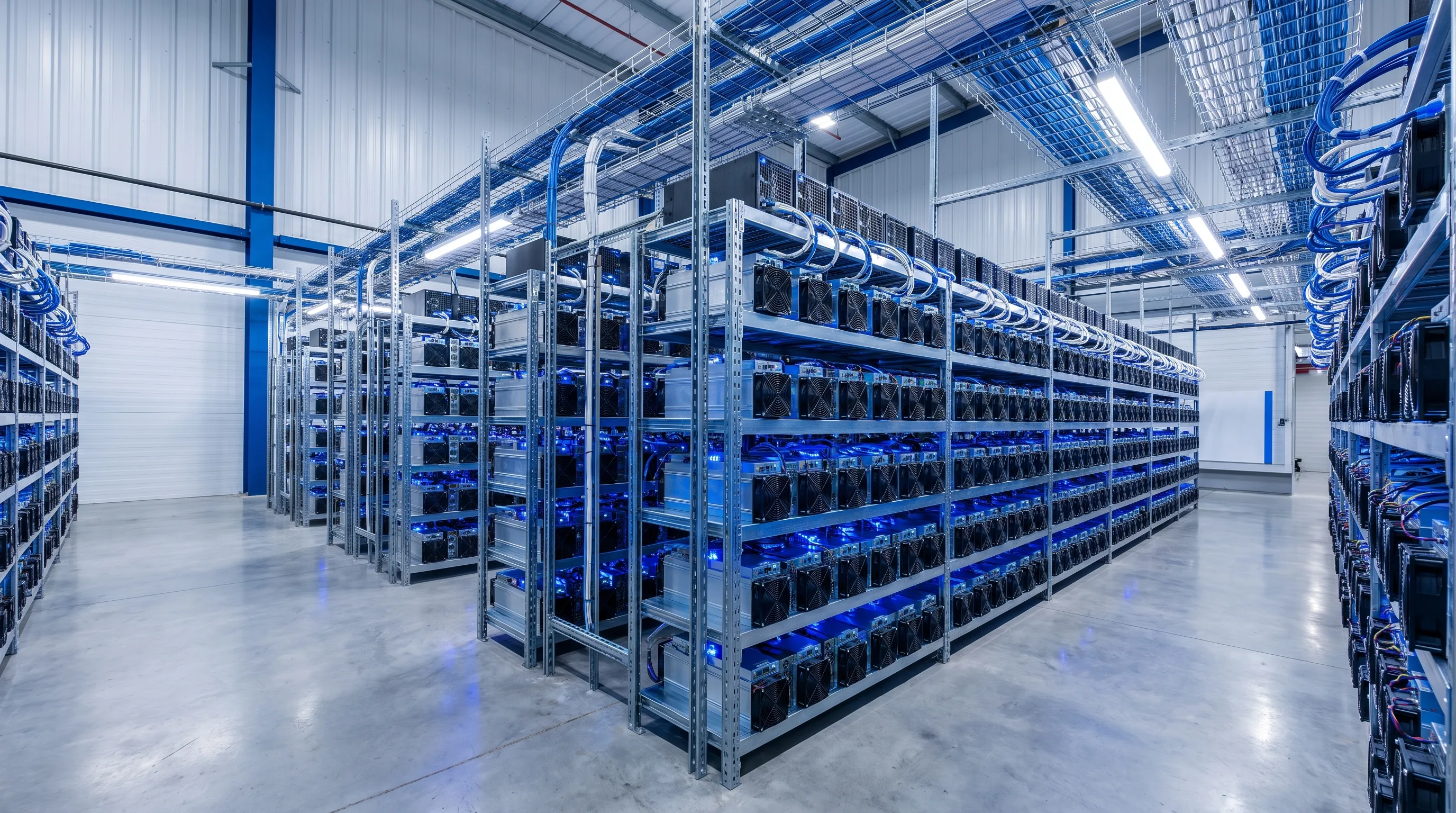
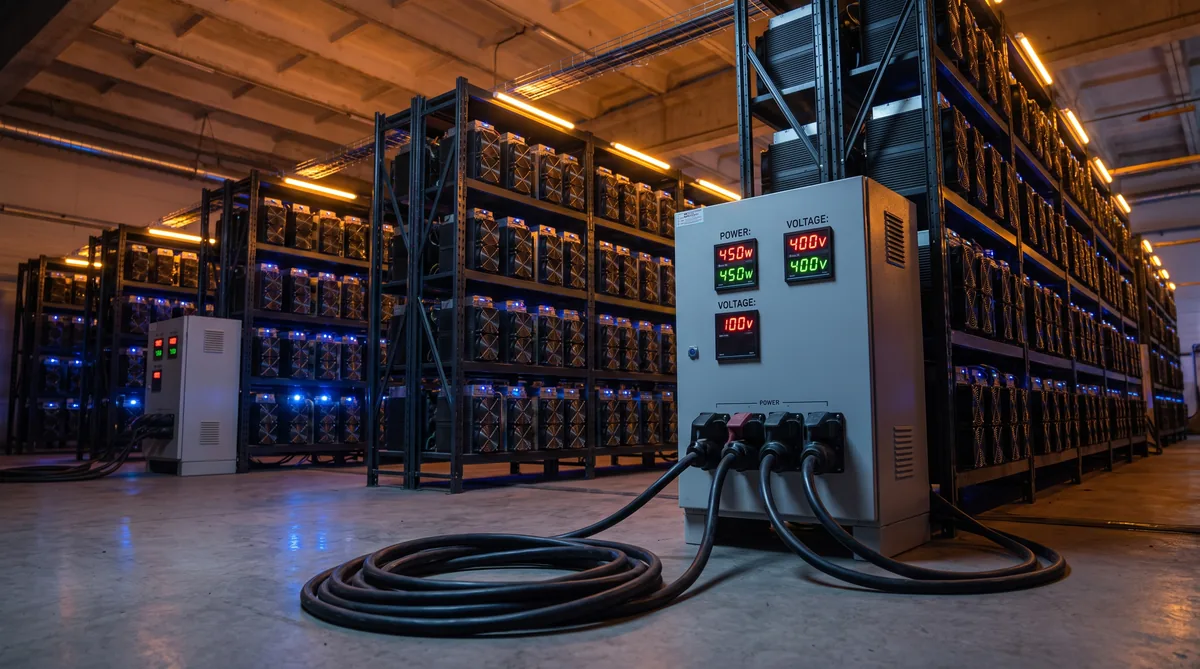
Bitcoin colocation is a hosting arrangement where a miner places their own ASIC hardware inside a third-party facility that provides electricity, cooling, physical security, and network connectivity. The miner retains full ownership of the equipment and all Bitcoin it produces. The facility operator charges a per-kilowatt-hour rate that covers the cost of power, cooling overhead, facility maintenance, and operational support.
This model sits between two extremes: running your own mining facility (maximum control, maximum capital expenditure) and purchasing hashrate through cloud mining contracts (minimum control, no hardware ownership). Colocation gives miners access to commercial-grade infrastructure and wholesale electricity rates without the multi-million-dollar capital investment required to build and operate a dedicated mining facility.
The colocation model has become the dominant deployment method for mid-scale mining operations. While this guide focuses on Bitcoin, the colocation model also serves broader cryptocurrency infrastructure including Ethereum validators, Solana nodes, and multi-chain infrastructure. According to industry estimates, over 60% of Bitcoin hashrate outside of vertically integrated public miners now operates from colocation facilities. The economics are straightforward: commercial electricity rates at scale are substantially lower than residential rates, purpose-built cooling systems maintain optimal operating temperatures year-round, and shared infrastructure costs are amortized across dozens or hundreds of customers.
How Bitcoin Colocation Works
The operational flow of a Bitcoin colocation arrangement follows a predictable sequence. Understanding each step helps miners set realistic expectations and avoid common onboarding friction.
1. Selecting a Provider and Signing a Contract
The miner evaluates potential colocation providers, comparing per-kWh rates, facility specifications, uptime history, contract terms, and customer references. Once a provider is selected, both parties sign a hosting agreement that specifies the power allocation, rate, contract duration, SLA terms, and liability provisions. For a detailed breakdown of what to expect in these agreements, see our ASIC hosting contract terms guide.
2. Shipping Hardware to the Facility
The miner ships their ASIC hardware to the facility, typically via freight carrier for larger deployments or standard parcel service for smaller batches. Most providers accept hardware from major manufacturers including Bitmain, MicroBT, and Canaan. Some facilities offer procurement assistance, sourcing hardware on behalf of the customer at negotiated rates.
3. Receiving, Inspection, and Rack Installation
Upon arrival, the facility team inspects each unit for shipping damage, verifies serial numbers against the customer's inventory list, and installs the miners in designated rack positions. This process typically takes 1-5 business days depending on the deployment size and facility workload.
4. Configuration and Network Setup
The facility connects each miner to power and network infrastructure, configures pool settings according to the customer's instructions, and performs initial burn-in testing. The miner receives access to a monitoring dashboard that reports real-time hashrate, power consumption, temperature readings, and pool performance for each unit.
5. Ongoing Operations
Once operational, the facility handles day-to-day management including power delivery, cooling, physical security, and basic remote hands support (power cycling, visual inspection, fan replacement). The miner monitors performance via dashboard, adjusts pool settings remotely, and coordinates with facility staff for any maintenance requirements.
Colocation vs Home Mining vs Cloud Mining
Each mining deployment model involves different trade-offs between cost, control, convenience, and risk. The right choice depends on the miner's scale, capital availability, technical expertise, and risk tolerance.
| Factor | Bitcoin Colocation | Home Mining | Cloud Mining |
|---|---|---|---|
| Hardware Ownership | You own the hardware | You own the hardware | No hardware ownership |
| Electricity Cost | $0.045-0.12/kWh (commercial) | $0.10-0.25/kWh (residential) | Embedded in contract price |
| Cooling | Professional, purpose-built | DIY, often inadequate | Not your concern |
| Noise | Not your concern | Significant (75-85 dB per unit) | Not your concern |
| Scale | Scalable to hundreds of units | Limited by residential electrical capacity | Any amount of hashrate |
| Control | High (own hardware, choose pool) | Maximum | Minimal |
| Counterparty Risk | Moderate (facility operator) | None | High (contract provider) |
| Capital Required | Hardware + setup fees | Hardware + electrical/cooling upgrades | Contract purchase price |
For a deeper analysis of how colocation compares with cloud-based mining economics, see our colocation vs cloud Bitcoin mining cost comparison.
When Colocation Makes the Most Sense
Colocation is typically the optimal choice when a miner operates between 5 and 5,000 ASIC units. Below five units, the setup and shipping costs may not justify the electricity savings over home mining (depending on residential rates). Above 5,000 units, vertically integrated operators may benefit from building or leasing their own dedicated facility, though even large-scale miners often maintain colocation deployments for geographic diversification.
The economics become particularly compelling when residential electricity rates exceed $0.10/kWh. A miner running ten Antminer S21 units at 3,500W each consumes approximately 25,200 kWh per month. At a residential rate of $0.15/kWh, that is $3,780 in monthly electricity. At a colocation rate of $0.065/kWh, the same power costs $1,638, a savings of $2,142 per month that compounds meaningfully over a 12-24 month contract term.
Bitcoin Colocation Cost Structure
Understanding the full cost structure of Bitcoin colocation requires looking beyond the headline per-kWh rate. Several cost components combine to determine the total expense of hosting your mining hardware.
Per-kWh Electricity Rate
The primary ongoing cost is the all-in electricity rate, typically quoted in dollars per kilowatt-hour. This rate usually includes raw electricity, cooling overhead, basic facility maintenance, and standard operational support. Rates in 2026 generally range from $0.045 to $0.12/kWh depending on geography, facility quality, and contract terms. For a comprehensive breakdown of current pricing tiers, see our ASIC colocation pricing guide.
Setup and Onboarding Fees
Most providers charge a one-time fee per unit for receiving, inspecting, racking, cabling, and configuring hardware. This typically ranges from $25 to $100 per machine depending on the provider and deployment complexity. Some providers waive setup fees for larger deployments or longer contract commitments.
Network and Connectivity
Basic internet connectivity for pool communication is usually included in the per-kWh rate. However, some providers charge separately for dedicated bandwidth, static IP addresses, or VPN access to monitoring systems. Mining pool communication requires minimal bandwidth (under 100 Kbps per unit), so connectivity costs are generally a negligible portion of total hosting expense.
Remote Hands and Support
Standard remote hands services, including power cycling, visual inspection, and basic troubleshooting, are typically included in the hosting rate. Advanced services such as firmware updates, board-level diagnostics, or hardware repair may incur additional per-incident or per-hour charges. Clarify what is covered before signing a contract.
Sample Monthly Cost Calculation
For a deployment of 50 Antminer S21 units, each drawing 3,500W:
| Cost Component | Calculation | Monthly Cost |
|---|---|---|
| Total power draw | 50 units x 3.5 kW = 175 kW | -- |
| Monthly consumption | 175 kW x 730 hours = 127,750 kWh | -- |
| Electricity at $0.065/kWh | 127,750 x $0.065 | $8,304 |
| Management fee (if separate) | Typically included in rate | $0 |
| Total monthly | $8,304 |
For comparison, the same deployment at a residential rate of $0.14/kWh would cost $17,885 per month, a difference of $9,581 that represents the economic case for colocation. Factor in the cost savings from not needing to install 200A+ electrical service, industrial cooling equipment, and sound insulation at a home or warehouse location, and the total cost advantage of colocation grows further.
How to Evaluate a Colocation Facility
Not all colocation facilities are equal. The difference between a well-run operation and a marginal one can mean the difference between profitable mining and equipment damage. Evaluate potential providers across these criteria.
Power Infrastructure
Verify the facility's total power capacity and how much is already committed versus available. Ask about the utility feed configuration: is it single-feed or dual-feed? What happens during a utility outage? Facilities with N+1 or 2N power redundancy provide greater protection against downtime. For mining-specific facilities, generator backup may cover critical loads (networking, security) but not the full mining load, since the economics of generator-powered mining rarely make sense.
Cooling Capacity
Modern ASIC miners generate substantial heat. A single Antminer S21 produces approximately 12,000 BTU/hour. Multiply that by hundreds of units, and inadequate cooling becomes a critical operational risk. Ask about the cooling design: is it air-cooled, evaporative, or immersion-cooled? What is the maximum ambient temperature that the cooling system can handle? Facilities in hot climates need more robust cooling infrastructure, which is one reason why cooling technology selection matters.
Uptime and Historical Performance
Request documented uptime history, not just SLA targets. A 99.9% uptime SLA means little if the facility has experienced multiple extended outages. Ask for specific incident reports from the past 12 months. Good operators will be transparent about past events and the improvements they made in response.
Physical Security
Your ASIC hardware represents a significant capital investment. The facility should provide perimeter fencing, access-controlled entry (biometric or key card), 24/7 video surveillance with retention, and visitor logging. For a comprehensive overview of data center security standards, see our physical security guide.
Location and Jurisdiction
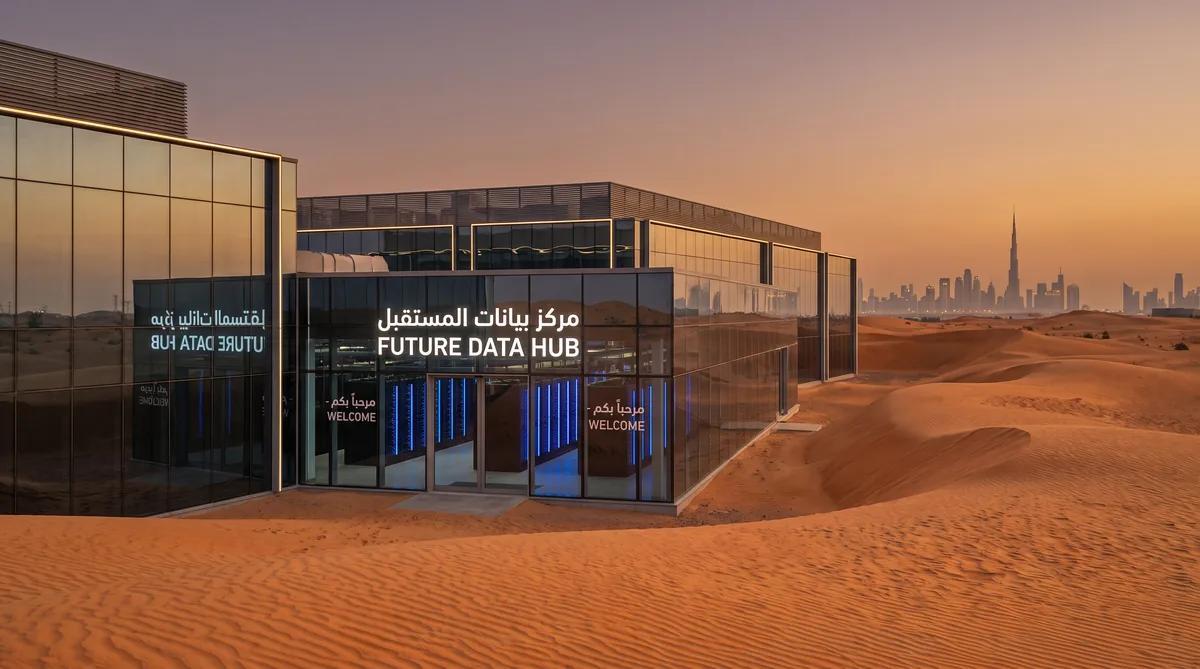
The facility's geographic location affects electricity costs, regulatory environment, import logistics, and site visit feasibility. Facilities in mining-friendly jurisdictions with clear regulatory frameworks reduce legal and operational risk. Popular Bitcoin colocation regions include Texas, Nebraska, and the Pacific Northwest in the US, as well as the UAE, Paraguay, and parts of Northern Europe.
Power and Cooling Requirements
The power and cooling demands of modern ASIC miners have increased significantly over the past two hardware generations. Understanding these requirements helps miners select appropriate facilities and avoid underpowered deployments.
Power Density Trends
Current-generation ASIC miners operate at substantially higher power levels than their predecessors. The Antminer S21 draws 3,500W, the S21 XP draws 3,800W, and hydro-cooled variants can exceed 5,000W per unit. This translates to rack-level power densities of 20-40 kW per rack for air-cooled deployments and potentially higher for immersion configurations. Facilities designed for traditional IT loads (5-8 kW per rack) are typically insufficient for mining deployments. Look for facilities purpose-built for high-density workloads.
Cooling Architectures
Bitcoin colocation facilities employ several cooling approaches, each with different efficiency profiles and cost implications:
- Forced air cooling: The most common approach for mining facilities. Large industrial fans move high volumes of air across miners, with hot exhaust ducted outside or through evaporative cooling systems. PUE typically ranges from 1.15 to 1.40 depending on climate.
- Evaporative cooling: Uses water evaporation to cool incoming air, highly effective in dry climates. Can achieve very low PUE (1.05-1.15) but requires access to water resources and may be less effective in humid environments.
- Immersion cooling: Submerges mining hardware in dielectric fluid. Provides excellent heat removal, reduces noise to near zero, and can extend hardware lifespan by eliminating dust and thermal cycling. Higher upfront cost but often lower total cost of ownership for high-value deployments.
- Containerized solutions: Self-contained modular data center units with integrated cooling, popular for rapid deployment and portability. Common at stranded energy sites.
For detailed analysis of how these cooling methods affect operational costs, see our PUE optimization guide.
Electrical Configuration
ASIC miners typically operate on 220-240V single-phase or three-phase power. Verify that the facility's power distribution matches your hardware requirements. Mixing voltage standards or using adapters creates fire risk and voiding warranty concerns. Professional facilities provide three-phase power distribution with proper circuit protection sized for mining loads.
Understanding Contract Terms
Colocation contracts govern the relationship between the miner and the facility operator. Key provisions to review carefully include:
Contract Duration
Typical contract terms range from month-to-month to 24 months. Longer contracts usually secure lower per-kWh rates, while shorter terms provide flexibility to relocate if better opportunities emerge. Some providers offer rate locks that protect against electricity price increases during the contract term.
Rate Adjustment Provisions
Understand whether the per-kWh rate is fixed for the contract duration or subject to adjustment. If variable, what index or mechanism governs rate changes? How much advance notice is required before a rate increase takes effect? What are the miner's options if a rate increase makes the deployment uneconomical?
Minimum Power Commitment
Many providers require a minimum power allocation, often expressed as a minimum number of units or minimum kW draw. If you plan to reduce your deployment (for example, by retiring older hardware), verify that the contract permits partial de-commissioning without penalty. Some contracts require payment for the committed power allocation regardless of actual consumption.
Termination and Exit
Review early termination provisions carefully. Some contracts impose liquidated damages or require payment for the remaining contract term. Others allow termination with 30-60 days notice and a reasonable exit fee. Understand the process and timeline for retrieving your hardware after contract termination.
Liability and Insurance
Clarify the facility's liability for hardware damage due to power events (surges, brownouts), cooling failures, flooding, fire, or theft. Many facility operators limit their liability to a specified amount per unit or require the miner to maintain their own equipment insurance. For a deeper discussion, see our hosting insurance guide.
Security and Insurance
Protecting your mining hardware investment requires both physical security at the facility level and appropriate insurance coverage.
Facility Security Standards
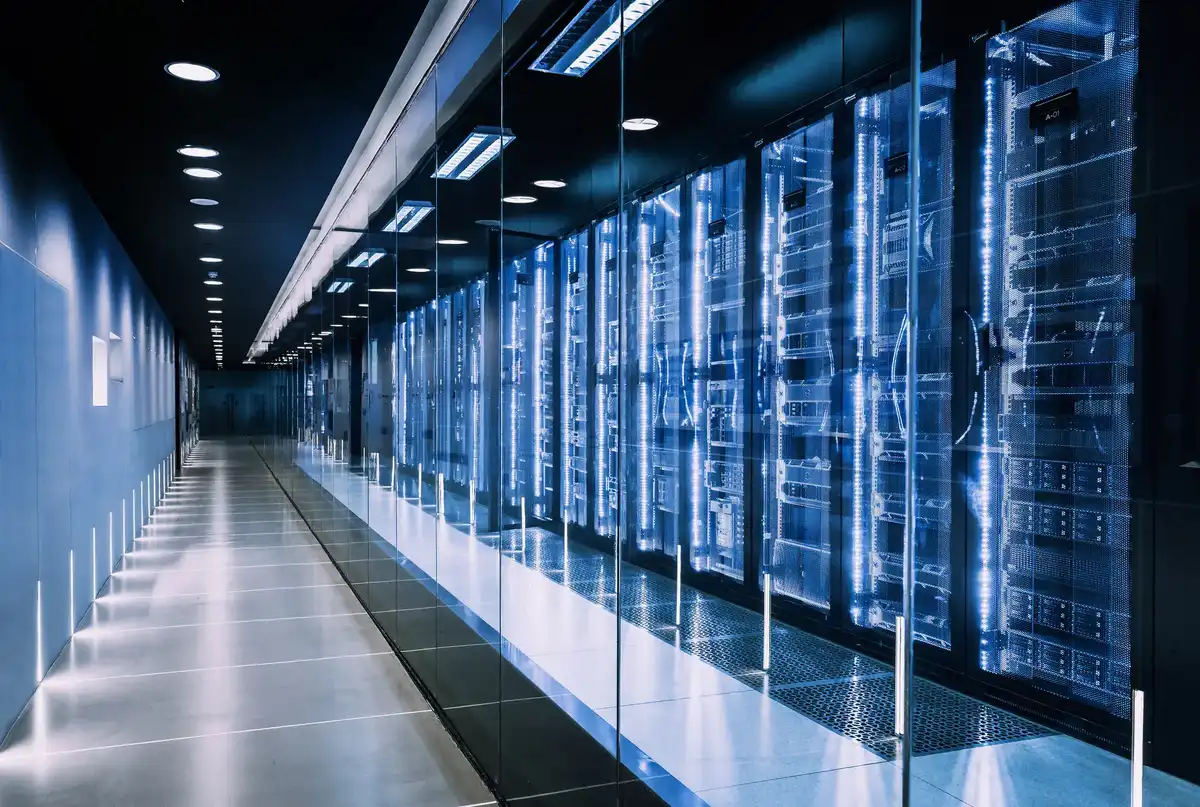
At minimum, a reputable Bitcoin colocation facility should provide: perimeter security (fencing, barriers), multi-factor access control, 24/7 video surveillance with 30+ day retention, visitor escort requirements, asset tracking and inventory management, and intrusion detection systems. Facilities meeting Tier III or higher data center standards generally have these measures in place.
Insurance Coverage
Do not assume the facility's property insurance covers your hardware. Most hosting agreements explicitly disclaim responsibility for customer equipment beyond basic negligence. Consider obtaining your own inland marine or equipment insurance policy that covers hardware in transit and at the colocation site. Typical coverage should include fire, theft, water damage, electrical damage, and natural disaster events.
Shipping and Onboarding Your Hardware
The logistics of getting mining hardware from your possession to a running state inside a colocation facility require planning. Mistakes during shipping and receiving are a common source of disputes and delays.
Packaging and Shipping
ASIC miners contain delicate electronic components including hash boards, control boards, and fans. Proper packaging means: original manufacturer packaging when available, double-boxing with adequate cushioning material, clearly labeled pallets with unit counts, and insurance on the shipment.
Receiving and Inspection
Professional facilities photograph incoming shipments, document the condition of each unit, and compare serial numbers against the customer's provided inventory list. Discrepancies are reported immediately. This process creates an auditable record that protects both parties. Ask your provider about their receiving procedures before shipping.
Timeline Expectations
Plan for 3-10 business days from hardware receipt to fully operational status, depending on the deployment size and the facility's current workload. Larger deployments (100+ units) may take longer if rack space needs to be prepared or if the facility staggers onboarding to manage its electrical load ramp.
Monitoring and Remote Management
Effective monitoring is what separates productive mining from passive hoping. The best colocation providers offer real-time visibility into every aspect of your mining operation.
What to Expect from a Monitoring Dashboard
A professional monitoring system should provide: per-unit hashrate and accepted share rate, per-unit power consumption and efficiency (J/TH), temperature readings (chip, inlet air, exhaust), pool connection status and reject rates, historical performance data with trend visualization, and alert configuration for anomalies.
Remote Management Capabilities
At minimum, you should be able to remotely change pool settings, restart individual miners, and view real-time status without contacting facility support. More advanced platforms offer firmware management, overclocking profiles, and automated response to performance degradation.
Support Response Times
Clarify the facility's support response time commitments. A miner that goes offline during a high-hashprice period represents lost revenue. The facility should commit to specific response times for different severity levels: critical issues (full deployment offline) should receive immediate attention, while routine maintenance requests might be addressed within 24 hours.
Scaling Your Colocation Deployment
One of the primary advantages of colocation is the ability to scale a mining operation without building infrastructure. Understanding how scaling works in a colocation context helps miners plan for growth.
Adding Capacity
Most providers can accommodate additional units with advance notice, subject to available rack space and power capacity. Discuss your growth timeline during initial contract negotiations. Some providers offer right-of-first-refusal on available capacity for existing customers. For guidance on planning larger deployments from scratch, see our mining farm design guide.
Hardware Rotation
As newer, more efficient ASIC models become available, miners regularly rotate out older hardware. A good colocation provider facilitates this process by allowing hardware swaps without contract renegotiation, providing de-racking and packaging services for outgoing units, and managing the overlap period where old and new hardware coexist. Understanding ASIC lifecycle management helps miners optimize their rotation schedules.
Geographic Diversification
As a mining operation grows, concentrating all hashrate in a single facility creates single-point-of-failure risk. Events such as natural disasters, utility failures, or regulatory changes can impact an entire deployment. Many mid-to-large miners distribute their hardware across multiple colocation facilities in different regions to mitigate this risk. Rax operates facilities across multiple locations to support geographic diversification strategies, with details available on our locations page.
Choosing the Right Power Source
The cost and source of electricity directly determines mining profitability. Some colocation facilities source power from renewable sources such as solar or hydroelectric, which can support sustainability goals. Others leverage stranded energy from natural gas flaring operations. Each power source has different reliability, cost, and sustainability characteristics that should factor into facility selection.
Frequently Asked Questions
What is Bitcoin colocation?
Bitcoin colocation is a hosting arrangement where miners place their own ASIC hardware in a third-party data center or mining facility. The facility provides power, cooling, physical security, network connectivity, and basic operational support, while the miner retains ownership of the hardware and the Bitcoin it produces.
How much does Bitcoin colocation cost?
Rates in 2026 typically range from $0.045 to $0.12 per kWh depending on location, facility quality, contract length, and deployment scale. Most providers also charge a one-time setup fee of $25-100 per unit.
Is Bitcoin colocation better than mining at home?
For operations beyond a few machines, colocation typically offers lower electricity costs (30-60% savings versus residential rates), professional cooling, noise elimination, and scalability that home mining cannot match.
What should I look for in a Bitcoin colocation provider?
Prioritize transparent pricing, documented uptime history, appropriate cooling capacity, physical security, real-time monitoring dashboards, responsive support, reasonable contract terms, and references from other mining customers.
Can I visit my miners at a colocation facility?
Most reputable providers allow scheduled site visits with advance notice. Some offer virtual tours and 24/7 camera access as alternatives.