Modular Data Centers: Prefabricated Solutions for Rapid Deployment
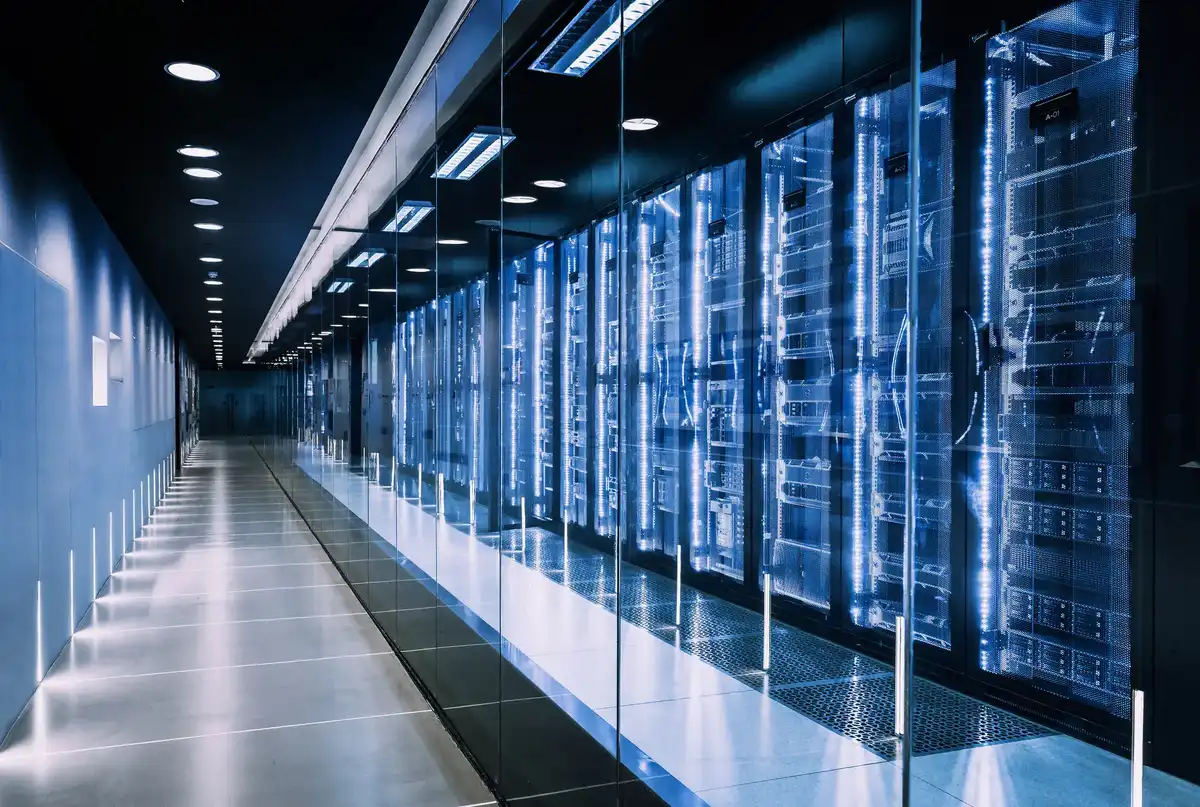
Traditional data center construction takes 18 to 24 months from groundbreaking to first rack power-on. For operators racing to meet demand for GPU-dense AI training, cryptocurrency mining, or enterprise colocation, that timeline is a competitive liability. Modular data centers compress that window to as little as 8 to 16 weeks by shifting construction from the field to the factory floor.
Modular architecture is not a niche concept. The global modular data center market is expanding rapidly as hyperscalers, edge operators, and mining companies recognize that factory-built infrastructure delivers faster time-to-revenue with lower upfront capital. This guide explains how modular designs work, where they outperform traditional builds, and what operators should evaluate before committing.
What Makes a Data Center "Modular"
A modular data center is a self-contained computing environment assembled from standardized, factory-built units. Each module typically includes:
- Integrated power distribution: PDUs, breaker panels, and busbar systems pre-wired and tested before shipping. This eliminates weeks of on-site electrical work.
- Pre-installed cooling: Precision air conditioning, rear-door heat exchangers, or direct liquid cooling loops built into the module enclosure.
- Fire suppression: Clean-agent systems (typically Novec or FM-200) factory-integrated and commissioned before delivery.
- Rack space and cable management: Racks, cable trays, and structured cabling installed at the factory to exact specifications.
- Environmental monitoring: Temperature, humidity, leak detection, and access control sensors pre-deployed.
Modules arrive on site ready to connect to utility power, networking, and water (if liquid-cooled). The most common form factor is based on ISO shipping containers (20-foot or 40-foot), but purpose-built enclosures in custom dimensions are increasingly popular for operators who need specific rack counts or cooling capacities.
Speed Advantage: Why 12 Weeks Beats 18 Months
The primary advantage of modular construction is parallel workflow. In a traditional build, site work must be substantially complete before mechanical, electrical, and IT infrastructure can begin. Modular construction allows three streams to run simultaneously:
- Site preparation: Grading, concrete pads, utility connections, and fencing proceed on-site.
- Module manufacturing: Factory teams build, wire, and test modules concurrently with site work.
- IT procurement: Servers, switches, and storage arrive and can be staged or pre-racked in the factory.
When the site is ready, modules are delivered by flatbed and placed by crane. Electrical and network connections between modules take days, not months. A facility that would require 18 months of sequential construction can be operational in 10 to 16 weeks.
Key metric: Modular deployments typically achieve first rack power-on 60-75% faster than traditional builds of equivalent capacity.
Modular vs. Traditional: Cost and Risk Comparison
Factory manufacturing introduces cost efficiencies that are difficult to replicate on a construction site:
| Factor | Traditional Build | Modular Build |
|---|---|---|
| Deployment timeline | 12-24 months | 8-16 weeks |
| Capex per kW | $8,000-$15,000 | $5,000-$10,000 |
| Construction waste | 15-25% material waste | 5-8% (factory precision) |
| Scalability | Overbuild or rebuild | Add modules as needed |
| Relocation | Not feasible | Possible (container-based) |
| Quality consistency | Varies by contractor | Factory-controlled |
The capex reduction comes from three sources: lower labor costs in a factory environment, bulk material procurement, and elimination of weather delays. In regions like the UAE and Middle East, where extreme heat limits outdoor construction hours, the factory advantage is even more pronounced.
High-Density Workloads: AI and Mining
Modular architecture is particularly well-suited to the two fastest-growing segments of data center demand: AI compute and cryptocurrency mining.
AI and GPU Clusters
High-density GPU racks running NVIDIA H100 or Blackwell GB200 hardware draw 30 to 70+ kW per rack. Traditional facilities designed for 8 to 15 kW per rack cannot accommodate these loads without expensive retrofits. Purpose-built modular units can be designed from day one for high-density cooling, with immersion cooling or direct-to-chip liquid loops integrated into the module structure.
For AI operators, the speed advantage is critical. Training model development cycles move in months, not years. Waiting 18 months for a traditional build means missing an entire generation of model development.
ASIC Mining Operations
Bitcoin mining operations share the same need for speed and density. When network difficulty shifts or new-generation ASIC hardware becomes available, operators need infrastructure ready fast. Containerized mining modules can be pre-wired for specific ASIC models, with power shelves, exhaust ducting, and monitoring configured before delivery.
Mining-specific modules also offer portability. Operations built around stranded energy sources or temporary power contracts can relocate modules when conditions change, a capability that brick-and-mortar facilities simply cannot match.
Key Considerations Before Going Modular
Modular construction is not universally optimal. Operators should evaluate several factors:
- Power availability: Modules deploy fast, but utility power connections may not. Confirm lead times for high-voltage service with the local utility before ordering modules.
- Permitting and zoning: Some jurisdictions classify containerized data centers differently from permanent structures, which can simplify or complicate permitting. In UAE free zones, modular facilities often receive expedited approvals.
- Long-term density planning: If you expect to operate the same facility for 10+ years, a traditional build may offer better long-term cost efficiency at very large scale (50+ MW). For sub-20 MW deployments or uncertain growth projections, modular wins.
- Cooling requirements: In hot climates, ensure the module cooling design is rated for ambient temperatures above 45°C. Standard air-cooled modules designed for temperate climates may underperform in the Gulf region.
- Interconnection: For multi-module deployments, plan the inter-module networking and network fabric early. Poor interconnection planning can bottleneck an otherwise well-designed modular campus.
The Hybrid Approach
Many operators adopt a hybrid strategy: a traditional building for administrative space, network operations centers, and meet-me rooms, with modular units deployed for compute capacity. This approach combines the permanence and image of a traditional facility with the flexibility and speed of modular expansion.
As demand grows, additional modules are ordered and connected to the campus power and network backbone. If demand contracts, modules can be decommissioned or relocated without stranding the core facility investment.
Frequently Asked Questions
What is a modular data center?
A modular data center is a prefabricated computing facility built from standardized, factory-assembled modules. Each module contains integrated power distribution, cooling, fire suppression, and rack space. Modules are manufactured offsite, tested, and then transported to the deployment location where they are connected to site power and networking.
How fast can a modular data center be deployed?
Most modular data centers can be deployed in 8 to 16 weeks from order to operation, compared to 12 to 24 months for a traditional brick-and-mortar facility. Site preparation can proceed in parallel with factory manufacturing, which further compresses the timeline.
Are modular data centers suitable for high-density workloads like AI and mining?
Yes. Modern modular designs support power densities of 30 to 50+ kW per rack using direct liquid cooling or rear-door heat exchangers. Some purpose-built mining modules handle 100+ kW per unit with immersion cooling. GPU-dense AI training clusters and ASIC mining fleets are among the most common high-density use cases for modular deployment.
Need Scalable Data Center Infrastructure?
Rax Data & Energy operates high-density colocation facilities designed for AI compute and mining workloads, with the flexibility to scale as your needs grow.
Get a Hosting Quote