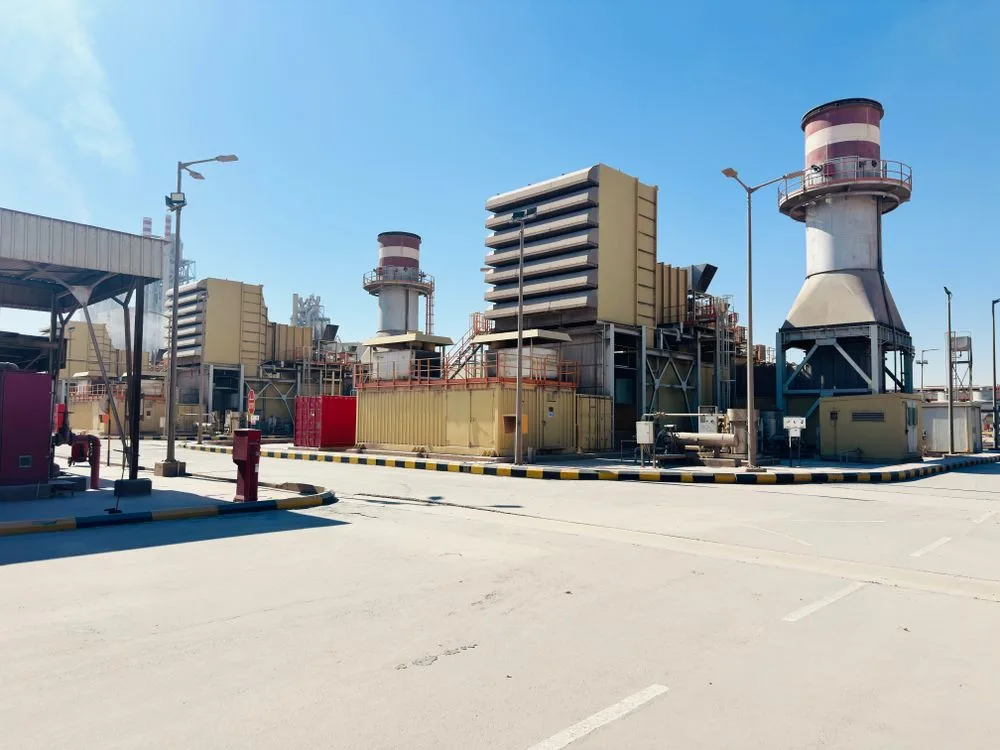
Key takeaway: A diesel generator that starts reliably during monthly exercise tests may still fail under real load during a utility outage. The difference between a generator that runs and a generator that delivers rated power under load for the duration of an extended outage comes down to three things: regular load bank testing at meaningful load levels, disciplined fuel quality management, and preventive maintenance that addresses wear before it becomes failure. For data centers where an hour of downtime costs tens of thousands of dollars or more, the investment in a rigorous generator testing and fuel management program pays for itself many times over.
Why Generators Fail When You Need Them Most
Diesel generators in data centers spend the vast majority of their operational life idle. A well-maintained generator in a facility with reliable utility power may run under real load for fewer than 10 hours per year. The rest of the time, it sits in standby -- a dormant mechanical system waiting for the moment it must perform flawlessly.
This operating pattern creates failure modes that are invisible during brief monthly exercise runs:
- Wet stacking: Unburned fuel and carbon deposits accumulate in the exhaust system, turbocharger, and cylinder liners when the engine runs below 30 percent of rated load. Monthly exercise tests that run the generator at no load or light load can actually accelerate wet stacking rather than prevent it.
- Fuel degradation: Diesel fuel stored in bulk tanks degrades over months. Microbial growth, water contamination, and oxidation products can clog filters and injectors, causing the engine to lose power or stall under load even though it starts normally.
- Battery failure: Starter batteries lose capacity over time. A battery that provides enough cranking current on a mild day may fail when ambient temperatures are extreme or when the engine requires multiple start attempts during a cascading utility event.
- Cooling system degradation: Coolant that has lost its corrosion inhibitors attacks internal engine surfaces. The resulting scale and deposits reduce heat transfer, causing the engine to overheat under sustained full load -- a condition never reached during light-load exercise tests.
- Control system faults: Electronic governor, automatic transfer switch (ATS), and paralleling switchgear control logic may have latent faults that only manifest under specific load conditions or during specific transfer sequences.
Load Bank Testing
Load bank testing applies a controlled electrical load to the generator using a dedicated resistive or resistive-reactive load bank. This is the single most effective method for verifying that a generator can deliver its rated power and for preventing the accumulation of deposits that degrade performance over time.
Types of Load Banks
Resistive load banks apply a purely resistive load (unity power factor). They convert electrical energy to heat through resistor elements, typically cooled by large fans. Resistive testing verifies the engine's ability to produce rated kilowatts and exercises the engine, cooling system, and exhaust under thermal stress.
Reactive (inductive) load banks apply an inductive load that tests the generator's ability to handle reactive power (kVAR). Data center loads include motors, UPS systems, and other equipment that draw reactive power. Testing with a purely resistive load bank does not exercise the voltage regulator and excitation system under the same conditions as real-world loads.
Resistive-reactive (combined) load banks apply both real power (kW) and reactive power (kVAR), simulating a realistic power factor (typically 0.8 lagging, matching the generator's rated power factor). This provides the most representative test of generator performance under actual data center load conditions.
Load Bank Test Procedure
A properly executed load bank test follows a graduated loading sequence:
- Pre-test inspection: Verify oil level, coolant level, fuel level (minimum 50 percent tank capacity), battery voltage, and belt tension. Inspect the exhaust system for leaks. Confirm the load bank is properly connected and the test area is clear of personnel and combustible materials.
- Engine start and warm-up: Start the generator and allow it to reach normal operating temperature (typically 10 to 15 minutes at no load). Monitor coolant temperature, oil pressure, and voltage stability.
- 25 percent load step: Apply approximately 25 percent of the generator's nameplate kW rating. Hold for 15 minutes. Record voltage, frequency, coolant temperature, oil pressure, oil temperature, and exhaust temperature.
- 50 percent load step: Increase to 50 percent load. Hold for 15 minutes. Record all parameters. The engine should be reaching normal operating temperature by this point.
- 75 percent load step: Increase to 75 percent load. Hold for 15 minutes. Monitor for any signs of stress: excessive exhaust smoke, abnormal vibration, temperature rise exceeding manufacturer specifications.
- 100 percent load step: Increase to full rated load. Hold for a minimum of 2 hours (4 hours for annual comprehensive testing). This is the critical phase that verifies the engine, cooling system, and alternator can sustain full output without overheating, derating, or protective shutdowns.
- Graduated unloading: Reduce load in 25 percent steps, holding each for 5 minutes. This allows the engine to cool gradually and prevents thermal shock to turbocharger bearings.
- Post-test cool-down: Run at no load for 5 to 10 minutes before shutdown. Inspect for leaks, unusual odors, or visible damage. Record final readings and compare against baseline.
Testing Frequency
| Test Type | NFPA 110 Minimum | Industry Best Practice | Purpose |
|---|---|---|---|
| No-load exercise | Monthly, 30 min | Weekly, 15 min (if no monthly load test) | Verify engine starts, battery condition |
| Load bank test (50-75%) | Annual | Monthly, 30 min | Prevent wet stacking, verify power output |
| Full load test (100%) | Annual | Quarterly, 2 hours | Verify sustained full-load capability |
| Extended full load | Not specified | Annual, 4 hours | Validate fuel, cooling, controls under sustained stress |
| Live load transfer test | Annual (simulated or real) | Semi-annual with maintenance window | Verify complete power path including ATS/paralleling |
Fuel Storage and Quality Management
Diesel fuel is a perishable commodity. Unlike the sealed, maintenance-free image that bulk fuel tanks project, stored diesel requires active management to remain reliable.
Fuel Degradation Mechanisms
Oxidation: Diesel fuel reacts with oxygen dissolved in the fuel and in the headspace above the fuel level. Oxidation produces gums, varnishes, and sediment that clog fuel filters and injectors. The rate of oxidation approximately doubles for every 10 degrees Celsius increase in storage temperature -- a critical consideration in UAE and Gulf region data centers where bulk tank temperatures can exceed 45 degrees Celsius during summer months.
Microbial growth: Bacteria and fungi thrive at the interface between water and diesel fuel inside storage tanks. These organisms form biomass (often called "diesel bug") that clogs filters, produces acidic byproducts that corrode tank internals, and can block fuel lines entirely. A single contaminated fuel delivery can introduce microbes that proliferate rapidly in warm, humid conditions.
Water contamination: Water enters fuel tanks through condensation (temperature cycling causes moisture to condense on tank walls), leaking fill caps, degraded tank seals, and contaminated fuel deliveries. Water in diesel promotes microbial growth, corrodes injector components, and causes erratic combustion at the injector tip.
Particulate contamination: Tank corrosion, construction debris, and environmental ingress introduce particles that accumulate as sediment at the tank bottom. When the generator starts and draws fuel, turbulence stirs this sediment into suspension, overwhelming fuel filters precisely when the generator needs to perform.
Fuel Polishing
Fuel polishing is the process of circulating stored fuel through filtration and water separation equipment to remove contaminants without draining and replacing the fuel. An effective fuel polishing program includes:
- Filtration: Multi-stage filtration starting with a coarse pre-filter (25 to 30 microns) and progressing to a fine final filter (2 to 5 microns). The final filter should match or exceed the fineness of the generator's on-engine fuel filters.
- Water separation: Coalescing water separators remove both free water and emulsified water from the fuel. The separated water is drained to a collection vessel for proper disposal.
- Tank bottom sampling: Before and after polishing, draw fuel samples from the tank bottom (the lowest point, where water and sediment collect) and test for water content, particulate count, and microbial contamination.
- Circulation rate: The polishing system should be capable of circulating the entire tank volume within 8 to 12 hours. For a 20,000-liter day tank, this requires a flow rate of approximately 1,700 to 2,500 liters per hour.
Automated fuel polishing systems can operate on a timer or continuous basis, maintaining fuel quality between deliveries without manual intervention. For data centers in hot climates, continuous polishing is recommended because the elevated temperatures accelerate all degradation mechanisms.
Fuel Testing Program
| Test | ASTM Standard | Frequency | Acceptance Criteria |
|---|---|---|---|
| Visual inspection (clarity, color) | ASTM D4176 | Monthly | Bright and clear, no haze or visible particulates |
| Water content (Karl Fischer) | ASTM D6304 | Quarterly | Less than 200 ppm (0.02%) |
| Particulate contamination | ASTM D6217 | Quarterly | Less than 24 mg/L total |
| Microbial contamination | ASTM D7464 | Semi-annual | Less than 1,000 CFU/mL bacteria, less than 100 CFU/mL fungi |
| Oxidation stability | ASTM D2274 | Annual | Less than 1.5 mg/100mL total insolubles |
| Cetane number | ASTM D613 | On delivery + annual | Minimum 40 (45+ preferred) |
If any test result falls outside acceptance criteria, the fuel should be polished and re-tested. If polishing does not restore the fuel to specification, the tank contents should be replaced with fresh fuel. Fuel that has been in storage for more than 18 months should be replaced regardless of test results, as degradation compounds may not be fully captured by standard tests.
Fuel Storage Infrastructure
Data center fuel storage systems typically include:
- Bulk storage tanks: Underground or above-ground tanks sized for 24 to 96 hours of generator operation at full load, depending on the facility's runtime requirements and refueling logistics. For a 2 MW generator burning approximately 500 liters per hour at full load, a 48-hour runtime requirement means a 24,000-liter minimum bulk tank.
- Day tanks: Smaller tanks (typically 500 to 2,000 liters) located near the generator that provide a local fuel reserve and maintain consistent fuel pressure at the engine. Day tanks are refilled automatically from the bulk tank via transfer pumps.
- Secondary containment: Double-walled tanks or concrete berms sized to contain 110 percent of the tank volume in case of a primary tank leak. Required by environmental regulations in most jurisdictions.
- Spill prevention: Overfill alarms, automatic shutoff valves on fill lines, and containment at fill connection points. Fuel spills at data centers can result in environmental cleanup costs, regulatory fines, and facility insurance complications.
Automatic Transfer Switch Testing
The automatic transfer switch (ATS) is the critical link between utility power and generator power. An ATS failure during a utility outage means the generator runs but the load never transfers to it -- a complete protection failure.
ATS Test Types
Simulated transfer test: The ATS control logic is signaled to initiate a transfer sequence, but the actual power contacts do not move (or transfer to a test position). This verifies sensor inputs, timing logic, and control outputs without affecting the production power path. Suitable for monthly testing.
Open-transition transfer test: The ATS opens the utility connection before closing the generator connection, creating a brief (50 to 200 millisecond) power interruption. The UPS systems bridge this interruption for the protected load. This verifies the complete mechanical and electrical transfer sequence. Performed semi-annually or annually.
Closed-transition (make-before-break) transfer test: For ATS units equipped with closed-transition capability, both sources are momentarily paralleled before the utility source is disconnected. This provides a seamless transfer with no interruption to the load, but requires the generator and utility to be synchronized in voltage, frequency, and phase before closing. Testing should verify that the synchronization check relay operates correctly and that the closed-transition overlap time stays within specifications (typically less than 100 milliseconds).
Paralleling Switchgear Testing
Facilities with multiple generators operating in parallel through paralleling switchgear require additional testing to verify:
- Synchronization: Each generator must match voltage, frequency, and phase angle before its circuit breaker closes onto the common bus. Verify that the synchronizer relay prevents out-of-phase paralleling, which would cause destructive currents and potential equipment damage.
- Load sharing: Once paralleled, generators should share the total load proportionally (based on their kW ratings). Verify that the load sharing controller distributes real power (kW) and reactive power (kVAR) evenly. Unbalanced load sharing causes one generator to be overloaded while another runs light -- defeating the purpose of the paralleling system.
- Failed generator isolation: Simulate a generator failure (protective shutdown) while the remaining generators are loaded. Verify that the failed generator's breaker opens cleanly, the remaining generators absorb the shed load without tripping on overload, and the load management system sheds non-critical loads if the remaining capacity is insufficient.
Preventive Maintenance Schedule
A comprehensive preventive maintenance program addresses every subsystem that could cause a generator failure under load.
Engine Maintenance
| Task | Frequency | Notes |
|---|---|---|
| Oil and filter change | 250 to 500 hours or annually | Use manufacturer-specified oil grade. Standby generators accumulate hours slowly; annual change prevents oil degradation. |
| Fuel filter replacement | 500 hours or annually | Replace primary and secondary filters. Install new water separator element. |
| Air filter inspection | Monthly | Replace if restriction gauge indicates or at 500 hours. In dusty environments, inspect weekly. |
| Coolant analysis and treatment | Semi-annual | Test pH, glycol concentration, inhibitor levels. Treat with supplemental coolant additive (SCA) as needed. |
| Coolant replacement | Every 2 to 3 years | Full system flush and refill with manufacturer-specified coolant. |
| Belt inspection and tensioning | Quarterly | Check for cracking, glazing, fraying. Re-tension to specifications. Replace at any sign of wear. |
| Valve adjustment | Per manufacturer schedule | Typically every 2,000 to 4,000 hours or every 2 to 3 years for standby units. |
| Turbocharger inspection | Annual | Check for shaft play, oil leaks, compressor wheel damage. Inspect wastegate operation. |
Electrical System Maintenance
- Battery testing: Monthly voltage and specific gravity (for flooded batteries) or internal resistance testing (for VRLA batteries). Replace batteries that show more than 20 percent increase in internal resistance from baseline. Data center generators should use battery monitoring systems that provide continuous health reporting rather than relying solely on periodic manual testing.
- Battery charger verification: Verify float voltage, equalize voltage (if applicable), and charging current. A charger that maintains float voltage but cannot deliver sufficient current for a full recharge after an extended run will leave the batteries partially discharged and unable to support the next start attempt.
- Starter motor inspection: Annual inspection of starter motor contacts, solenoid, and drive gear engagement. Starter motors in standby generators experience a different wear pattern than automotive starters -- fewer total starts but higher start reliability requirements.
- Alternator inspection: Annual insulation resistance test (megger test), visual inspection of windings for contamination or damage, and verification of voltage regulator calibration. In humid environments, condensation on alternator windings can reduce insulation resistance and cause ground faults under load.
Hot Climate Considerations
Data centers in the UAE, GCC, and other hot-climate regions face accelerated wear on generator systems:
- Cooling system derating: Generators are rated at specific ambient temperatures (typically 40 degrees Celsius for standby ratings). When ambient temperatures exceed the rated value, the engine must be derated (run at reduced output) or provided with supplemental cooling such as remote radiators or inlet air cooling.
- Fuel stability: As discussed in the fuel management section, elevated storage temperatures significantly accelerate fuel degradation. In Gulf climates, fuel polishing frequency should be doubled compared to temperate regions.
- Battery life: High ambient temperatures shorten lead-acid battery life. For every 8 to 10 degrees Celsius above 25 degrees Celsius, battery life is approximately halved. Generator battery rooms or enclosures in hot climates should be actively cooled or batteries should be replaced on an accelerated schedule.
- Sand and dust: Fine particulates from arid environments can clog air filters rapidly, abrade turbocharger compressor wheels, and contaminate electrical connections. Enhanced air filtration (pre-filters, higher-efficiency final filters) and more frequent filter inspections are essential.
NFPA 110 Compliance
NFPA 110 (Standard for Emergency and Standby Power Systems) defines the requirements for power systems that supply mission-critical loads. Data centers typically fall under Level 1 requirements -- the most stringent classification.
Level 1 Requirements
- Transfer time: Power must be restored to critical loads within 10 seconds of utility failure. This drives the selection of fast-starting diesel generators and quick-acting transfer switches.
- Runtime: Fuel supply must support operation for the class duration (Class 2 = 2 hours, Class 6 = 6 hours, Class 48 = 48 hours, Class X = as specified by the authority having jurisdiction). Many data center operators specify Class 48 or longer.
- Testing: Monthly exercising under operating temperature conditions for at least 30 minutes. Annual testing at a minimum of 30 percent of rated nameplate kW. NFPA 110 accepts load bank tests as the means of achieving the annual load requirement.
- Fuel quality: Stored fuel must be maintained in serviceable condition. NFPA 110 references ASTM D975 for fuel specifications and requires documented fuel quality testing.
- Documentation: Written records of all tests, inspections, and maintenance must be retained. These records demonstrate compliance to the authority having jurisdiction and to insurance underwriters.
Beyond Minimum Compliance
For mission-critical data centers, NFPA 110 minimums are a floor, not a ceiling. The minimum annual load test at 30 percent load does not adequately exercise the engine under realistic conditions. Industry best practices (and colocation SLA commitments) demand more frequent and more aggressive testing as outlined in the testing frequency table above.
Similarly, NFPA 110 does not specify fuel polishing or automated fuel quality monitoring -- these are operational best practices that go beyond the standard but are essential for facilities where generator reliability directly affects customer SLAs and revenue.
Integrating Generator Testing with Data Center Power Redundancy
Generator testing must be coordinated with the facility's overall power architecture to maintain redundancy throughout the test:
- N+1 configurations: Test one generator at a time while the remaining generators provide full N coverage. If only one generator is available (no redundancy during test), perform the test during a maintenance window with reduced load and customer notification.
- 2N configurations: One entire power path can be tested while the other provides full backup. This is the safest configuration for testing because a generator failure during the test does not immediately threaten the load.
- Concurrent maintenance: Never test generators while other critical power infrastructure (UPS, switchgear, PDUs) is undergoing maintenance. The combination of reduced redundancy from the test and reduced redundancy from the maintenance creates an unacceptable risk window.
- Load bank connection points: Pre-install permanent load bank connection points (cam-lock connectors or bus-mounted breakers) at each generator output. Connecting a portable load bank through temporary cables and connections introduces contact resistance and connection failure risks. Permanent connection points reduce setup time and improve safety.
Frequently Asked Questions
How often should data center diesel generators be load tested?
NFPA 110 requires annual load bank testing at a minimum of 30 percent of nameplate rating and monthly exercise tests. Industry best practice for mission-critical data centers includes monthly load bank tests at 50 to 75 percent for 30 minutes, quarterly full-load tests for 2 hours, and annual extended full-load tests for 4 hours. Higher-frequency testing prevents wet stacking and catches degradation before real outages expose it.
What is wet stacking and how do you prevent it?
Wet stacking occurs when diesel generators operate consistently below 30 percent of rated load, causing unburned fuel and carbon deposits to accumulate in the exhaust system and cylinders. It reduces power output and can damage the engine. Prevention requires regular load bank testing that brings the engine to full operating temperature and load, clearing accumulated deposits. Any generator that routinely runs light should be load bank tested monthly.
How long can diesel fuel be stored before it degrades?
Untreated diesel fuel begins degrading within 6 to 12 months. Ultra-low sulfur diesel degrades faster than older formulations, and hot climates accelerate the process further. A proper fuel management program with biocide treatment, antioxidant additives, fuel polishing, and semi-annual quality testing can extend usable life. Fuel that has been stored for more than 18 months should be replaced regardless of test results.
What is the difference between a load bank test and a real load test?
A load bank test applies controlled load via a dedicated resistive or resistive-reactive load bank, independent of the IT load. A real load test transfers the actual data center load to the generator via the ATS. Load bank tests are safer (no risk to production) and suitable for routine verification. Real load tests are more comprehensive because they exercise the complete power path including transfer switches and paralleling switchgear, but they carry risk if the generator fails during the test. Most operators use load bank tests monthly and controlled real load tests semi-annually.