Liquid Cooling Retrofits: A Playbook for Existing Air-Cooled Data Centers
October 10, 2026 | Data Centers & Hosting
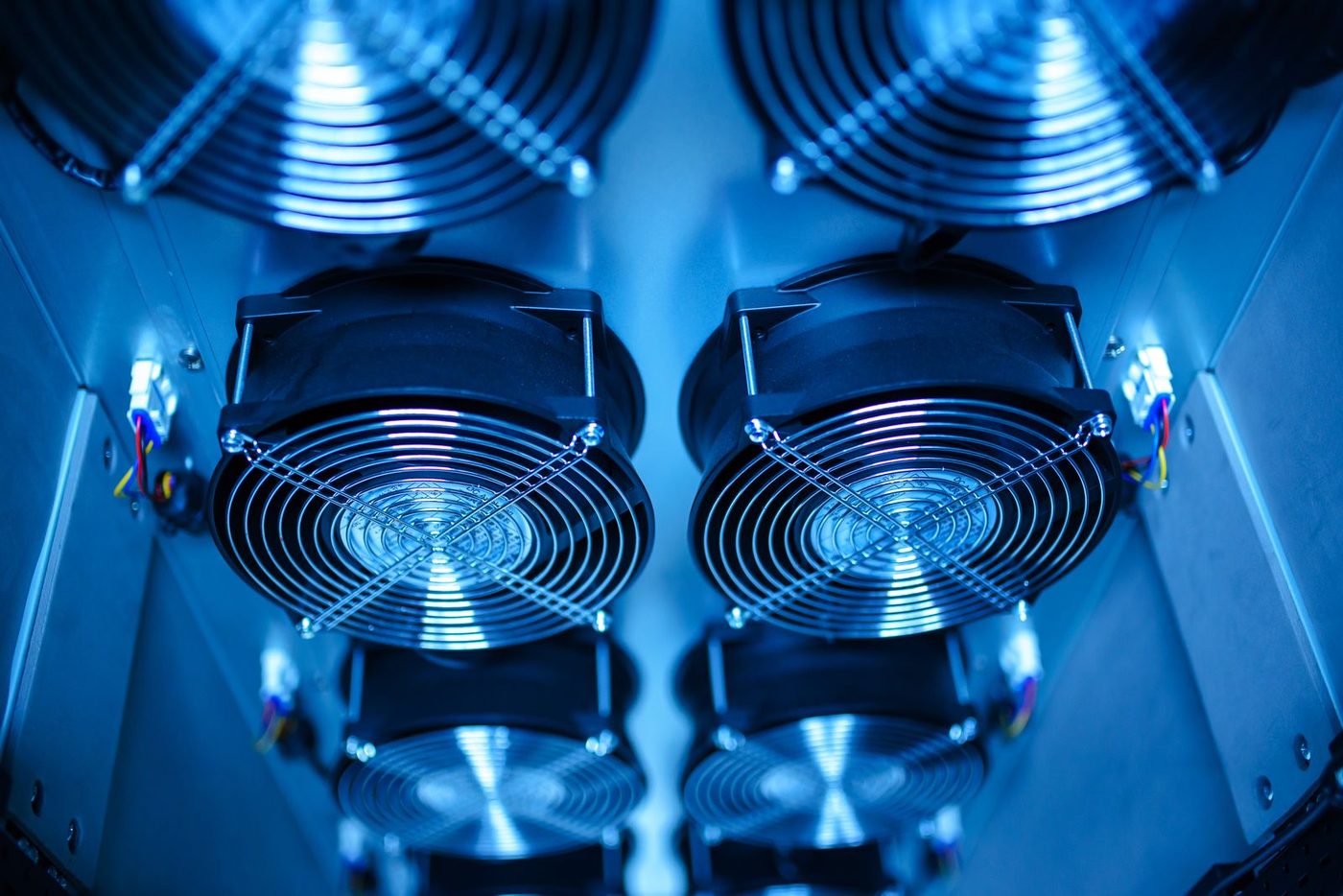
Most of the conversation around liquid cooling assumes a clean sheet: a new build, designed from the slab up around coolant distribution units and direct-to-chip plumbing. But the majority of operators facing a liquid-cooling decision today are not building new. They are sitting on a facility that already works — built, powered, and running on air — and now has a customer or workload that air alone cannot cool. The real question is not "air versus liquid," it's "how do we retrofit liquid cooling into a facility that cannot go offline to get it."
This is a different engineering and project-management problem than a greenfield design, with its own cost structure, its own sequencing constraints, and its own failure modes. This guide covers how to approach a retrofit: when air cooling actually hits its ceiling, which retrofit methods fit which facilities, how to phase a migration without downtime, and what actually drives retrofit cost.
Why Operators Retrofit Instead of Building New
Retrofitting is rarely the "ideal" engineering answer on paper — a purpose-built liquid-cooled hall will always be more efficient than a converted one. Operators retrofit anyway for reasons that have nothing to do with thermal elegance:
- Speed to revenue. A retrofit can bring high-density capacity online in a fraction of the time a new building takes to permit, construct, and commission.
- Sunk infrastructure. Substations, generators, fiber, fencing, and security are already in place and already paid for.
- Mixed-tenant economics. Many facilities need to serve both legacy air-cooled tenants and new high-density AI or ASIC tenants from the same building, which a phased retrofit supports and a full teardown does not.
- Real estate constraints. In dense or expensive markets, there may simply be no comparable new site available on the timeline the business needs.
When Air Cooling Actually Hits Its Ceiling
Air cooling does not fail at a single, universal rack-density number — it fails based on the specific combination of chassis airflow design, hot-aisle/cold-aisle containment quality, and CRAC/CRAH capacity already installed in a given facility. That said, there are consistent warning signs that a facility is approaching the point where air alone can no longer carry the load economically:
- Server intake temperatures are creeping up even with containment in place, and the only lever left is adding more CRAC units, which the floor has no room or power budget for.
- New GPU or high-TDP ASIC deployments are being deliberately under-populated per rack just to stay within air-cooling limits, which wastes expensive floor space and power capacity.
- Fan power draw on the IT equipment itself is becoming a meaningful share of total rack power, which is a sign the air path is working harder than it should.
- A specific tenant or workload — typically GPU-dense AI training or high-density ASIC mining — needs rack densities the facility's air-cooling design was never sized for.
None of these signs mean the whole facility needs to convert. They usually mean one zone, one hall, or one set of racks needs to move to liquid while the rest of the facility keeps running exactly as it is.
Retrofit Methods Compared
Three retrofit approaches dominate in practice, each with a different disruption profile:
| Method | Disruption to Existing Facility | Best Fit |
|---|---|---|
| Rear-door heat exchangers | Low — bolts onto the back of existing racks, no chip-level plumbing | Moderate density increases without replacing servers or rack layout |
| Direct-to-chip cooling | Moderate — requires supply/return piping to each rack and a coolant distribution unit | High-density GPU or ASIC deployments needing the largest density jump per rack |
| Immersion cooling | High — usually needs a dedicated zone, new floor loading, and containment | New high-density zones built out within an existing facility's shell |
Rear-door heat exchangers are typically the fastest and least disruptive retrofit because they intercept heat at the back of the rack rather than requiring any change to how servers themselves are cooled internally. Direct-to-chip delivers a bigger density jump but requires more plumbing work and a coolant distribution unit sized for the zone being converted. Immersion is the most capable at extreme density but is closer to a mini-greenfield build within the existing shell than a true retrofit.
Planning a Phased Migration Without Downtime
Zone-by-Zone Conversion
The standard pattern for a live retrofit is to convert one zone, row, or hall at a time while the rest of the facility continues running unmodified on air. This requires temporarily operating in mixed-mode: part of the facility on air, part on liquid, with enough air-cooling capacity retained to serve everything that has not yet migrated.
Maintaining Redundancy During the Transition
Cooling redundancy (commonly N+1 or better) has to be maintained throughout the project, not just at the end state. That means sequencing work so that decommissioning an air-handling unit to make room for new liquid-cooling infrastructure does not drop the facility below its redundancy target for the zones still running on air. In practice this often means temporary cooling capacity — portable CRAC units or spot coolers — bridges the gap during the conversion window for a given zone.
Structural and Plumbing Considerations
Piping supply and return lines to each rack is the part of a retrofit most likely to run into unplanned costs. Facilities built on a raised floor generally have more room to route piping than slab-on-grade facilities, which may need overhead piping runs instead. Floor loading also matters: coolant-filled piping and coolant distribution units add weight that an older facility's structural design may or may not have budgeted for. Both should be assessed before committing to a zone layout, not after.
Practical sequencing tip: retrofit the zone with the newest, most standardized rack layout first. Facilities with legacy, mixed-vendor rack configurations are harder to convert and are better left for later phases once the project team has a working playbook from the first zone.
What Actually Drives Retrofit Cost
Retrofit cost is driven less by the cooling hardware itself and more by how much of the existing facility has to be worked around:
- Available power and space headroom. A facility with spare electrical capacity and open floor space converts cheaply. A facility already running near its power or space limits requires more expensive supporting work before any cooling hardware goes in.
- Piping routing complexity. Raised-floor facilities are generally cheaper to retrofit than slab-on-grade facilities, which may need overhead piping infrastructure built from scratch.
- Temporary cooling capacity. Maintaining redundancy during a phased conversion often requires renting or installing temporary cooling, which is a real line item, not a formality.
- Downtime avoidance itself. A facility that can tolerate a full shutdown converts faster and often more cheaply than one that must stay live throughout — live conversions simply take longer and need more careful sequencing.
As a general rule, retrofits are cheaper per rack than a liquid-native greenfield build because the building shell, power infrastructure, and often the floor structure are sunk costs already in place. The retrofit premium comes from working around what is already there, not from the cooling hardware itself.
UAE and Hot-Climate Considerations
In hot-climate markets like the UAE, the case for liquid cooling retrofits is reinforced by ambient conditions that already push air-cooling systems harder than they would run in a temperate climate. Facilities relying on outside air economization get fewer free-cooling hours per year than equivalent sites in cooler climates, which means the mechanical cooling load — and the cost of carrying it — is higher year-round. A retrofit that shifts a high-density zone to liquid cooling reduces the facility's dependence on mechanical air handling for that zone, which matters more in a hot-climate deployment than it would in a cooler one.
A Practical Retrofit Checklist
- Identify the specific zone or tenant actually requiring liquid cooling — do not convert more of the facility than the workload demands.
- Audit available power and space headroom in that zone before committing to a retrofit method.
- Assess floor type (raised floor vs. slab-on-grade) to determine piping routing options.
- Confirm structural floor loading can support coolant-filled piping and distribution units.
- Plan temporary cooling capacity to maintain redundancy during the conversion window.
- Sequence the project zone-by-zone, starting with the most standardized rack layout.
- Confirm the coolant distribution unit is sized with headroom for future zones, not just the first conversion.
Frequently Asked Questions
Can you retrofit liquid cooling into a data center that was built for air cooling?
Yes, in most cases. Rear-door heat exchangers and in-row coolant distribution units can usually be added to an existing hot-aisle/cold-aisle facility without major structural work, since they intercept heat at the rack rather than requiring piping to every server. Direct-to-chip retrofits need more planning because they require supply and return piping to each rack and a coolant distribution unit sized for the facility, but they can still be deployed in zones without shutting down the whole data hall. Immersion cooling retrofits are the most disruptive because they typically require new floor loading, containment, and often a dedicated zone built out from scratch.
How much does a liquid cooling retrofit cost compared to a new liquid-cooled build?
A retrofit is usually cheaper per rack than a liquid-native greenfield build because the building shell, power infrastructure, and in most cases the raised floor or structural slab are already in place. The added cost in a retrofit comes from working around existing equipment: phased decommissioning, temporary cooling capacity during the transition, and sometimes reinforcing floor loading or adding piping risers that were not part of the original design. Facilities with underutilized power and space headroom retrofit more cheaply than facilities that are already running near their electrical or cooling capacity limits.
Do I need to shut down the data center to retrofit liquid cooling?
No, a well-planned retrofit does not require a full shutdown. The standard approach is a phased, zone-by-zone migration: existing racks keep running on air cooling while one zone at a time is converted and brought back online with the new cooling method. This requires temporarily maintaining enough air-cooling capacity to serve the racks that have not yet migrated, and sequencing work so that cooling redundancy (N+1 or better) is maintained throughout the project.
Plan Your Retrofit with Rax
Rax Data designs and deploys high-density colocation infrastructure across the UAE, including liquid-cooled zones built into existing facility footprints. Our team can walk through your facility's power, space, and structural headroom and recommend the retrofit approach that fits your timeline and budget. See our full GPU colocation and AI hosting services or review current hosting pricing starting from $0.055/kWh. For a deeper look at the economics of liquid versus air cooling before you commit to a retrofit path, see our liquid vs. air-cooled TCO analysis. Ready to scope a retrofit? Contact us to discuss your facility.
Related Articles
- Data Center Water Cooling ROI: Liquid vs Air-Cooled TCO Analysis
- Direct Liquid Cooling for GPU Data Centers: Design, Economics, and Deployment Guide
- Coolant Distribution Units (CDU) for Data Center Liquid Cooling: Sizing & Selection Guide
- GPU Server Liquid Cooling Maintenance: Schedules, Procedures, and Best Practices