Transformer and Switchgear Lead Times: Planning a Power Buildout Around the Supply Chain
October 10, 2026 | Power & Energy
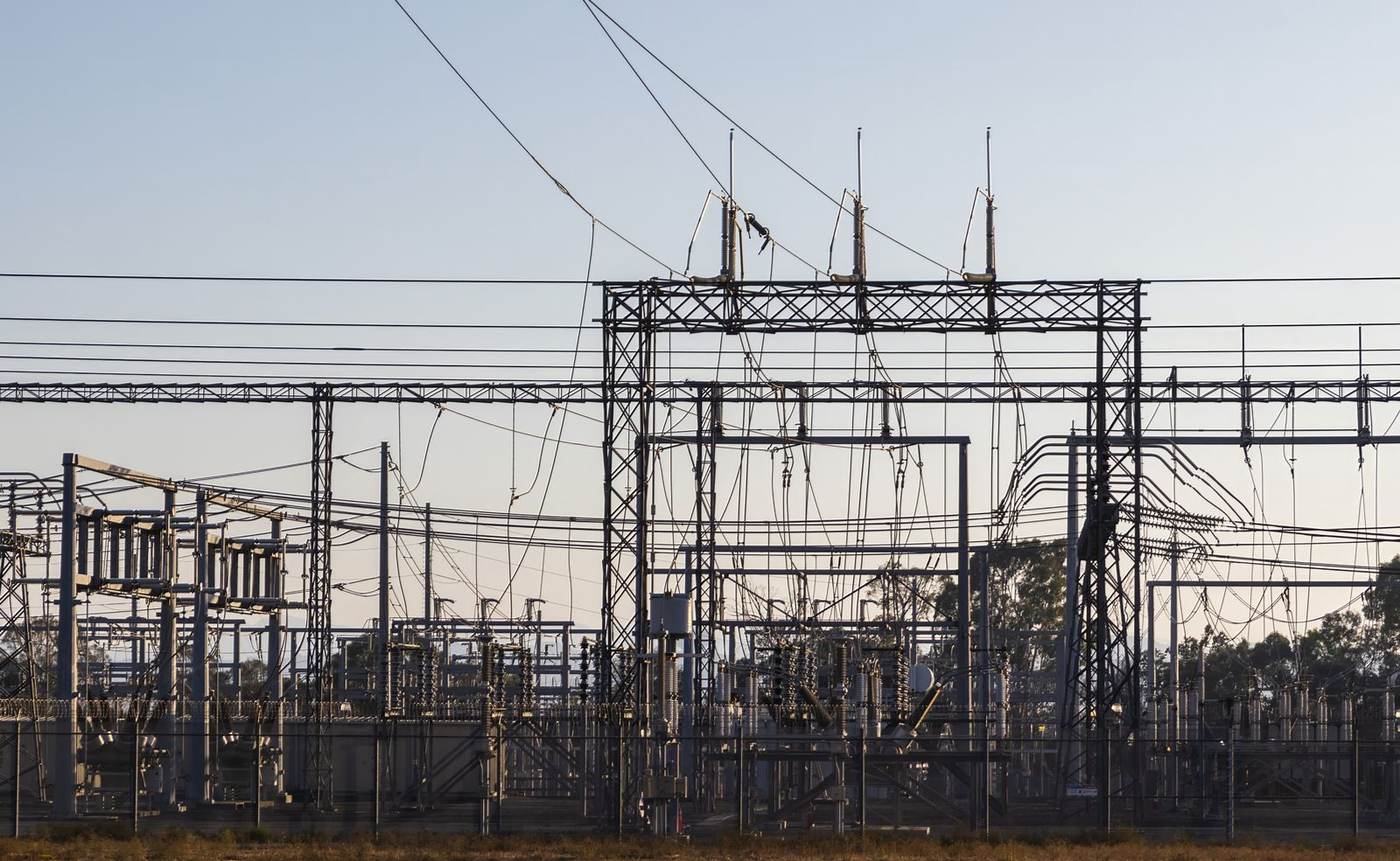
Most data center project schedules are still built around construction and permitting as the long pole in the tent. For the last several buildout cycles, that assumption has been wrong. The item most likely to set a project's actual timeline today is not the building, the cooling system, or even the permitting process — it is the delivery of large power transformers and medium-voltage switchgear.
This shift matters because it changes the order of operations for a successful buildout. Equipment that used to be ordered after the electrical design was finalized now often needs to be ordered before the design is finished, simply because the manufacturing queue is longer than the design and permitting timeline combined. This guide covers why lead times have stretched, what that means for project sequencing, and how operators are planning around it.
Why Lead Times Have Become the Critical Path
Large power transformers and medium-voltage switchgear are, for the most part, built to order rather than stocked. A utility-scale or industrial-scale transformer requires custom-wound copper or aluminum coils, grain-oriented electrical steel cores, and bespoke tank and bushing configurations matched to the voltage and capacity the project needs. Switchgear faces a parallel bottleneck in protection relays, custom enclosures, and factory acceptance testing that cannot be meaningfully compressed.
The number of factories globally qualified to manufacture this equipment at scale is limited, and that manufacturing base serves far more than just data centers — utilities, grid modernization programs, renewable energy interconnection projects, industrial electrification, and EV charging infrastructure are all competing for the same production slots. When demand rises across all of those sectors simultaneously, as it has, the queue extends for every buyer, including data center developers.
Typical Lead Time Ranges by Equipment Type
Lead times vary by manufacturer, voltage class, and current backlog, but the relative ordering is consistent across the industry:
| Equipment | Typical Position in the Queue | Why |
|---|---|---|
| Low-voltage switchgear and PDUs | Shortest lead times | More standardized designs, broader manufacturer base |
| Medium-voltage switchgear | Longer than low voltage | Custom protection and metering configurations, factory testing requirements |
| Large power transformers | Longest lead times in most buildouts | Custom-wound, built-to-order, limited global manufacturing capacity |
The practical consequence is that the transformer order, not the switchgear order, is usually what determines the earliest possible energization date for a new substation or power buildout.
How This Changes Project Sequencing
Order Before the Design Is Final
The traditional sequence — finalize electrical single-line diagrams, then issue purchase orders — assumes equipment delivery is fast relative to design and permitting. That assumption no longer holds. Many operators now place transformer and switchgear orders against a conservative but firm load estimate as soon as the power requirement is known, treating procurement as a parallel track that runs alongside design rather than a step that follows it.
Build in Design Flexibility, Not Just Schedule Buffer
Ordering early means committing to core specifications — voltage class, capacity, and physical footprint — before every downstream design detail is settled. The practical approach is to lock the specifications that are expensive to change later (voltage, capacity, enclosure type) while leaving ancillary components, such as specific protection relay configurations or accessory panels, flexible enough to adjust without re-entering the manufacturing queue.
Treat Lead Time as a Go/No-Go Input, Not a Footnote
Because transformer delivery can set the entire project's energization date, lead time needs to be confirmed with the manufacturer before a project timeline is communicated to tenants, investors, or internal stakeholders — not estimated from historical norms that may no longer apply. A delivery date that slips by a manufacturing quarter can mean a delivery date that slips by an entire buildout cycle, since re-entering a backlogged queue rarely happens quickly.
Planning principle: confirm actual manufacturer lead times directly and in writing before finalizing a project schedule. Published catalog lead times and the lead time a specific factory will actually commit to for a specific order can differ significantly once current backlog is factored in.
Mitigation Strategies Operators Are Using
- Standardizing specifications across projects. Using the same transformer and switchgear specifications across multiple sites lets an operator place larger, combined orders and sometimes secure better queue position than single-site orders.
- Maintaining a standing relationship with manufacturers. Repeat customers with a track record of firm orders often get priority over first-time or speculative orders when a manufacturer has to allocate limited production capacity.
- Phasing capacity in modular blocks. Ordering power infrastructure in smaller, modular increments can sometimes be filled faster than one large custom order, at the cost of some efficiency versus a single larger unit.
- Choosing colocation over self-build for time-sensitive workloads. When a workload's business case depends on being online faster than new power infrastructure can realistically be procured and commissioned, colocation in a facility with existing, energized capacity removes the lead-time risk entirely.
UAE Power Buildout Considerations
In the UAE, as in most markets, new substation and large transformer deliveries for data center and industrial projects are subject to the same global manufacturing constraints described above, on top of local utility interconnection and approval timelines. Operators planning a self-built facility in the UAE should treat transformer procurement as a parallel, not sequential, step alongside utility coordination and permitting — and should confirm actual delivery commitments directly with equipment suppliers rather than relying on generic published lead times, which can shift significantly with backlog.
Frequently Asked Questions
Why are transformer and switchgear lead times so long right now?
Data center, grid modernization, and electrification demand has grown faster than transformer and switchgear manufacturing capacity has expanded. Large power transformers require specialized materials such as grain-oriented electrical steel and custom-wound copper or aluminum coils, and there are a limited number of factories globally qualified to build them at utility and industrial scale. Medium-voltage switchgear faces similar bottlenecks in semiconductor-based protection relays and custom enclosure fabrication. Because so much of this equipment is built to order rather than stocked, a surge in demand across multiple industries at once extends the queue for everyone, not just data center buyers.
When should I order transformers and switchgear for a new data center project?
As early as the project's power requirement is firm, even before final site design or permitting is complete, since equipment lead times frequently exceed design and permitting timelines combined. Many operators now place transformer and switchgear orders at the same stage they would normally finalize electrical single-line diagrams, treating procurement as a parallel track rather than a step that follows design. Ordering against a preliminary but conservative load estimate, with the ability to adjust ancillary components later, is generally safer than waiting for a fully finalized design and losing months of queue position.
Can I avoid transformer and switchgear lead times by using a colocation provider instead of building my own facility?
Yes, this is one of the main reasons colocation demand has grown alongside equipment lead times. A colocation provider that already has transformers, switchgear, and substation capacity installed and energized can bring a tenant's workload online in the time it takes to build out racks and connectivity, rather than the time it takes to procure and commission new electrical infrastructure from scratch. This is particularly relevant for AI and high-density GPU workloads, where the business case often depends on being online well before a new self-built facility's power infrastructure could realistically be delivered.
Skip the Procurement Queue
Rax Data operates energized colocation capacity in the UAE today, with transformers, switchgear, and substation infrastructure already in place. For workloads where a new self-built facility's power procurement timeline does not fit the business case, colocation removes transformer and switchgear lead time from the critical path entirely. Explore our power and energy infrastructure, review hosting pricing from $0.055/kWh, or contact us to discuss capacity timelines for your project.