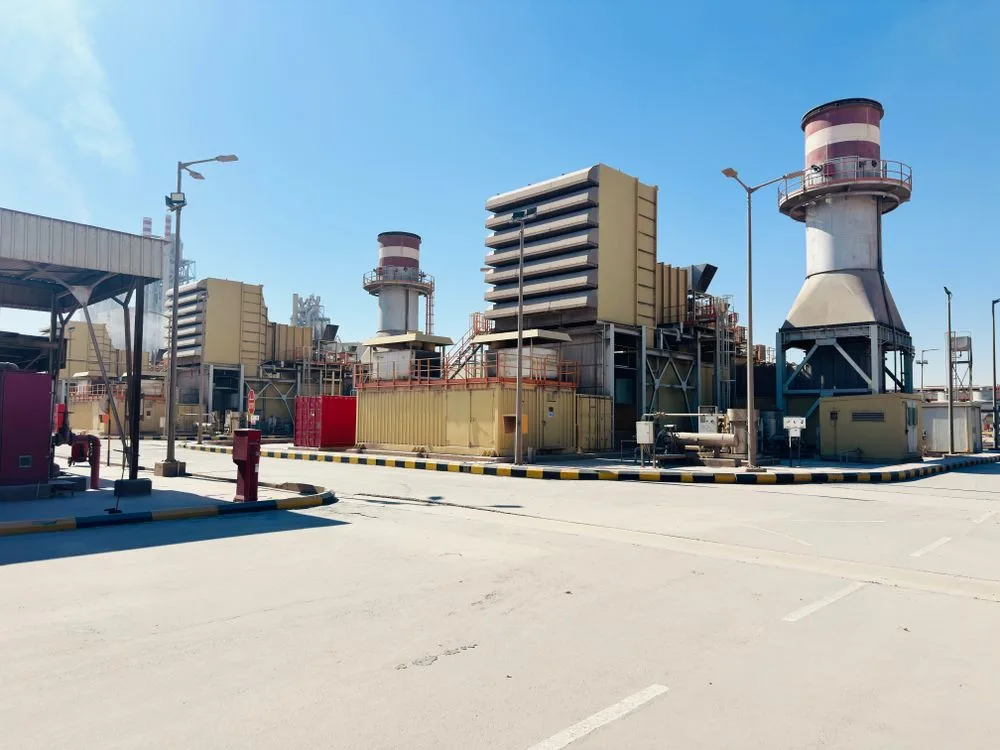
Mission-critical data centers hosting AI training clusters and Bitcoin mining operations cannot tolerate power interruptions. While utility grids in the UAE deliver exceptional reliability, diesel backup generators remain the cornerstone of data center resilience. The challenge extends beyond generator capacity: fuel logistics, storage planning, supply chain management, and quality control determine whether backup power systems deliver promised uptime when grid failures occur.
This guide examines fuel logistics infrastructure for UAE data centers, covering on-site storage requirements, fuel degradation in extreme climates, supply chain strategies, regulatory compliance, and operational best practices that ensure backup power systems perform reliably during actual grid outages.
Fuel Consumption and Storage Capacity Planning
Generator fuel consumption directly correlates with electrical load. A typical diesel generator consumes approximately 0.25 liters of fuel per kWh of electrical output at 50-70 percent load. A 1 MW data center operating at full capacity on backup power consumes roughly 250 liters of diesel per hour. Over a 24-hour grid outage, this facility would burn through 6,000 liters of fuel.
Sizing On-Site Fuel Storage
Industry best practices recommend storing sufficient fuel to operate at full load for a minimum duration based on facility tier classification:
- Tier II facilities: 24 to 48 hours of fuel at full load
- Tier III facilities: 48 to 72 hours of fuel at full load
- Tier IV facilities: 96 hours or more of fuel at full load
- Remote or high-risk locations: 7 to 14 days of fuel storage
A 5 MW AI data center requiring Tier III backup would store approximately 90,000 liters of diesel on-site to sustain 72 hours of operation. Storage capacity must also account for fuel consumed during monthly generator testing, which typically runs generators at 30-50 percent load for 1-2 hours.
Tank Configuration and Redundancy
Large facilities deploy multiple fuel storage tanks rather than a single monolithic tank. This approach provides redundancy if one tank experiences contamination, leak detection failures, or maintenance requirements. A 90,000-liter fuel system might consist of three 30,000-liter tanks with automated fuel management systems that rotate consumption across tanks to prevent diesel degradation.
Day tanks located near generator sets provide immediate fuel access during startup and reduce piping complexity from bulk storage. Day tanks typically store 4-8 hours of fuel at full load and automatically refill from bulk storage tanks. This configuration protects generators from contamination in bulk storage and provides rapid response during grid failures.
Fuel Quality Challenges in Hot UAE Climates
Diesel fuel degrades faster in high-temperature environments. Ambient temperatures exceeding 40°C in UAE summers accelerate oxidation, promote microbial growth, and increase water condensation in storage tanks. These factors directly threaten backup power reliability.
Thermal Degradation and Oxidation
Heat accelerates chemical reactions that break down diesel fuel. Oxidation produces gum, sediment, and varnish that clog fuel filters, injectors, and pumps. Fuel stored at 40°C degrades approximately twice as fast as fuel stored at 20°C. After 6-12 months in hot storage, untreated diesel may fail to meet combustion specifications.
Climate-controlled fuel storage buildings maintain temperatures below 30°C, significantly extending fuel shelf life. For facilities unable to implement climate control, underground fuel tanks leverage soil insulation to moderate temperature fluctuations. Alternatively, accelerated fuel turnover through frequent generator testing cycles prevents fuel from aging in storage.
Water Condensation and Microbial Contamination
Temperature cycling between day and night causes water vapor to condense on tank walls and accumulate at the bottom of diesel storage tanks. Water creates ideal conditions for microbial growth commonly called "diesel bug"—bacteria and fungi that form sludge, clog filters, and corrode fuel system components.
Fuel polishing systems continuously circulate diesel through filtration and water separation equipment, removing contaminants and maintaining fuel quality. Polishing cycles run weekly or monthly depending on storage duration and ambient conditions. Biocide additives prevent microbial growth but must be applied at correct concentrations and reapplied periodically as fuel turns over.
Regular fuel sampling and laboratory analysis detect contamination before it impacts generator performance. Monthly testing measures water content, particulate contamination, microbial growth, and fuel stability. Sampling protocols require drawing fuel from multiple tank depths to identify bottom-water accumulation and stratification.
Supply Chain Logistics and Delivery Planning
Reliable fuel delivery requires strategic supplier relationships, delivery scheduling, and contingency planning that account for UAE infrastructure and logistics realities.
Multi-Supplier Contracting Strategy
Single-source fuel supply creates vulnerability. If a primary supplier experiences delivery disruptions—vehicle breakdowns, driver shortages, refinery issues—the data center faces potential fuel exhaustion during extended grid outages. Best practice establishes contracts with at least two independent fuel suppliers, each capable of delivering the facility's full requirements.
Supplier agreements should include guaranteed emergency delivery response times, typically 12-24 hours for standard deliveries and 4-8 hours for emergency top-ups during active grid outages. Contract terms must specify fuel quality standards, delivery volumes, tank fill procedures, and liability for contaminated deliveries.
Automated Fuel Monitoring and Reordering
Modern fuel management systems monitor tank levels continuously and trigger delivery requests when fuel drops below predetermined thresholds. Setting reorder points at 30-40 percent capacity provides buffer time for delivery logistics while maintaining sufficient reserve for unexpected grid failures during delivery windows.
Tank monitoring systems integrate with building management platforms, providing real-time visibility into fuel levels, consumption rates, and projected time until reorder thresholds. Automated alerts notify facility operators of abnormal consumption patterns that might indicate fuel leaks, theft, or generator malfunctions.
Peak Demand and Emergency Access
Summer months place exceptional demand on UAE electrical grids, increasing the probability of generator activations across multiple data centers simultaneously. Fuel suppliers face surge demand when numerous facilities request emergency deliveries during widespread grid stress. Establishing delivery priority agreements and maintaining relationships with industrial fuel depots provides emergency access when standard distribution channels saturate.
Some operators participate in fuel-sharing consortiums with nearby industrial facilities, creating mutual support agreements for emergency fuel transfers during supply chain disruptions. These arrangements require compatible fuel storage infrastructure and pre-negotiated transfer procedures.
Regulatory Compliance and Safety Requirements
UAE Civil Defense authorities and local emirate regulators enforce strict requirements for diesel fuel storage at commercial facilities. Compliance failures can result in facility shutdowns, fines, or operational restrictions.
Storage Tank Construction Standards
Storage tanks exceeding 10,000 liters typically require double-wall construction with interstitial leak detection systems. Secondary containment berms or vaults must capture 110 percent of the largest tank's capacity in case of catastrophic failure. Containment areas must be impermeable and equipped with drainage systems that prevent fuel from reaching soil or groundwater.
Above-ground storage tanks require fire suppression systems, typically foam-based or inert gas systems designed for Class B hydrocarbon fires. Fuel storage areas must maintain specified separation distances from buildings, property boundaries, and ignition sources. Underground storage tanks require corrosion protection, cathodic protection systems, and regular integrity testing.
Fire Safety and Emergency Response
Civil Defense regulations mandate fire safety equipment including foam extinguishers, fire blankets, spill containment materials, and emergency shutoff valves accessible from outside fuel storage areas. Fuel storage areas must have clearly marked emergency access routes for firefighting equipment and personnel.
Facilities must maintain emergency response plans specific to fuel spills, fires, and vapor releases. Plans document notification procedures, evacuation protocols, spill containment methods, and coordination with Civil Defense authorities. Regular drills and staff training ensure personnel can execute emergency procedures effectively.
Environmental Permitting
Environmental agencies in each emirate regulate fuel storage through permitting processes that assess groundwater contamination risk, air quality impacts, and spill prevention measures. Permit applications require detailed site plans, fuel storage capacity justifications, leak detection systems, and monitoring well installations for groundwater surveillance.
Facilities must report fuel inventory levels, consumption records, and any spill incidents to environmental authorities. Some jurisdictions require annual environmental audits and soil sampling near storage areas to verify containment system effectiveness.
Operational Best Practices
Reliable backup power extends beyond installing generators and fuel tanks. Operational procedures determine whether systems perform as designed when grid power fails.
Monthly Generator Load Testing
Generators must run under load monthly to verify operational readiness, prevent cylinder glazing, and cycle fuel through storage systems. Load bank testing applies 30-50 percent nameplate load for 1-2 hours, bringing engines to full operating temperature and exercising all systems. Testing cycles also consume older fuel from storage tanks, preventing degradation from extended storage.
Load testing procedures should document fuel consumption rates, exhaust temperature, vibration levels, oil pressure, coolant temperature, and electrical output quality. Trending these parameters over time identifies degradation before failures occur during actual grid outages.
Fuel Quality Monitoring Programs
Regular fuel sampling and analysis prevent contamination from causing generator failures. Monthly testing measures:
- Water content: Should remain below 200 ppm; higher levels indicate condensation or tank seal failures
- Particulate contamination: Excessive sediment clogs filters and injectors
- Microbial growth: Early detection allows biocide treatment before sludge formation
- Flash point and cetane number: Verify fuel meets combustion specifications
- Fuel stability: Oxidation products indicate degradation requiring fuel replacement
Sampling protocols require drawing fuel from multiple tank locations—top, middle, and bottom—to detect stratification and bottom-water accumulation that might not appear in single-point samples.
Transfer System Maintenance
Fuel transfer pumps, piping, valves, and day tank level controls require regular inspection and testing. Automated transfer systems should be exercised during monthly generator tests to verify proper operation. Backup manual transfer procedures must be documented and practiced to enable fuel delivery if automated systems fail during grid outages.
Fuel filters throughout the distribution system should be inspected monthly and replaced according to manufacturer recommendations or when pressure differentials indicate clogging. Maintaining spare filter elements on-site ensures rapid replacement during generator operations.
Integration with Backup Power Architecture
Fuel logistics must align with overall backup power system design. UPS systems provide immediate power during the 10-30 second window required for generator startup and load transfer. Fuel storage must support the duration from initial generator start through utility power restoration, which can extend from hours to days depending on grid failure severity.
For facilities with N+1 or 2N generator redundancy, fuel consumption calculations must account for the possibility of operating multiple generators simultaneously if one unit fails during a grid outage. Fuel storage should support full load operation using redundant generator capacity for the facility's design backup duration.
Some facilities integrate renewable energy with diesel backup, using solar arrays and battery storage to extend diesel reserves during prolonged outages. This hybrid approach reduces fuel consumption and extends operational duration beyond what fuel storage alone could support.
Conclusion
Generator fuel logistics determine whether backup power systems deliver promised reliability. Sizing adequate storage, maintaining fuel quality in hot climates, establishing redundant supply relationships, ensuring regulatory compliance, and implementing rigorous operational procedures separate data centers that survive grid failures from those that experience outages despite installed backup infrastructure.
For AI and Bitcoin mining operators, where uptime directly impacts revenue and where minutes of downtime can cost tens of thousands of dollars, fuel logistics deserve the same engineering rigor applied to generator selection and electrical distribution. The investment in climate-controlled storage, fuel polishing systems, multi-supplier contracts, and comprehensive testing programs pays dividends during actual grid failures when backup power must perform flawlessly.
Discuss Your Backup Power Requirements