Importing Mining and AI Hardware into the UAE: Customs, Duties and Logistics
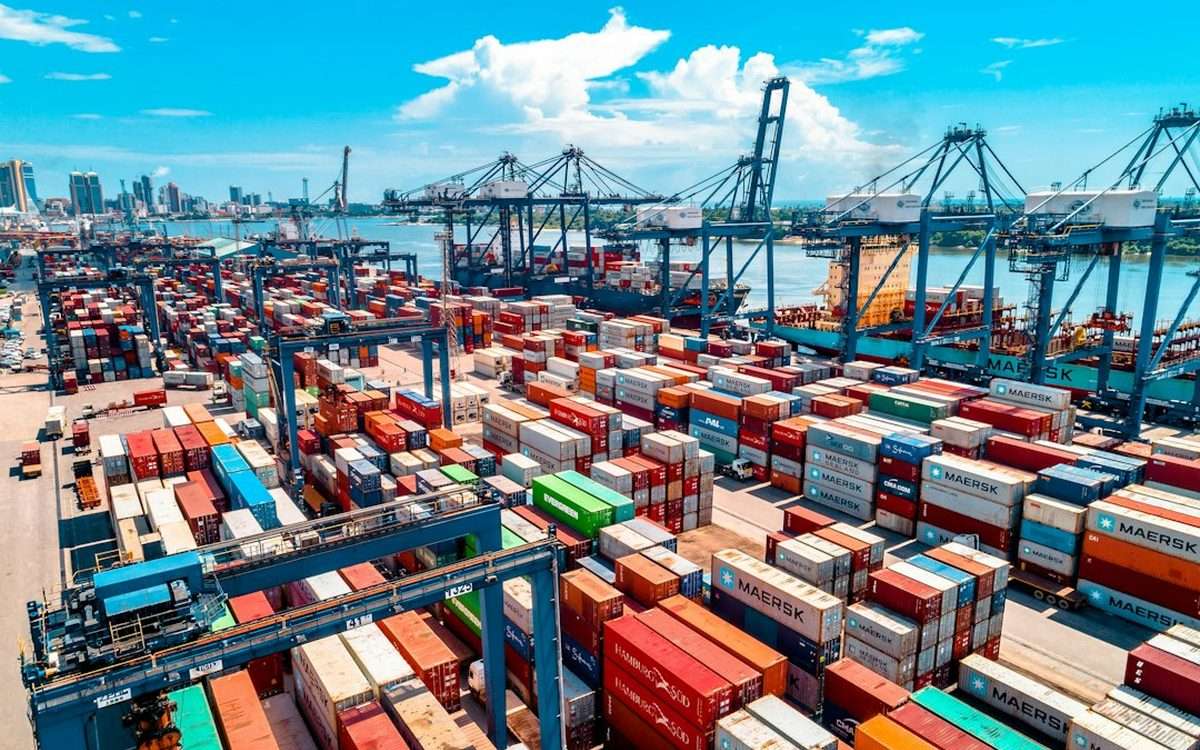
The Step Nobody Budgets For
Hosting economics are usually modelled on two numbers: the hardware cost and the power rate. Operators comparing UAE colocation against alternatives will build a careful spreadsheet around both, and then discover that the machines are sitting in a bonded warehouse because a packing list did not match a commercial invoice.
Getting hardware into the country is a real project with its own timeline, its own costs and its own failure modes. It is also the stage where a first-time importer is most likely to lose weeks. This is what the process actually involves and where the delays come from.
One caveat before anything else, and it is not a disclaimer for its own sake: tariff classifications, duty treatment and documentary requirements change, and they differ by emirate, by free zone and by the specific goods involved. Nothing here substitutes for a licensed customs broker quoting your actual shipment. Treat this as a map of the terrain, not as a tariff schedule.
Free Zone Versus Mainland: The Decision That Shapes Everything Else
The single most consequential choice is whether your hardware lands in a free zone or enters mainland UAE territory.
Goods imported into a free zone are, broadly speaking, treated as outside the customs territory for duty purposes while they remain there. Equipment can be received, stored, and in many cases re-exported without duty being assessed on entry. For an operator whose hardware may be redeployed to another jurisdiction later, this flexibility has real value.
Goods cleared into the mainland enter the customs territory and are assessed accordingly. Once duty has been paid and the goods are in free circulation, moving them is a domestic matter rather than a customs one.
The practical implication for a hosting client is that the physical location of the facility determines your import pathway before you have shipped anything. If your provider operates inside a free zone, your hardware follows free zone procedures. If the facility is on the mainland, it does not. This is worth establishing in the first conversation with a provider, not the week the shipment lands.
What Customs Actually Wants to See
Clearance is a documentary exercise. The goods matter less than whether the paperwork describing them is internally consistent.
- Commercial invoice showing the seller, the buyer, a clear description of the goods, quantities, unit values and the currency.
- Packing list that reconciles exactly to the invoice: the same line items, the same quantities, the same descriptions, with carton counts and weights.
- Bill of lading or air waybill from the carrier.
- Certificate of origin, which determines whether any preferential treatment applies.
- Importer of record details: a licensed entity with a customs code, which a foreign buyer does not automatically have.
The most common cause of a hold is not something exotic. It is a mismatch. The invoice says forty units, the packing list says forty-two because two spares were added at the warehouse, and the shipment stops until the discrepancy is explained. Reconcile the documents against each other before the goods leave the origin country, not after they arrive.
Classification: What Is This Machine, Exactly?
Every imported item is assigned a tariff classification code, and that code drives duty treatment. This is more interesting than it sounds for mining and AI hardware, because the equipment does not always map neatly onto categories written before it existed.
An ASIC miner is a purpose-built computing device. A GPU server is a computer. Networking equipment, power distribution units and immersion tanks are each their own category. Shipments that mix categories in one consignment need each line classified correctly rather than the whole pallet declared as one thing.
Misclassification causes problems in both directions. Declaring too broadly invites a query and an inspection. Declaring incorrectly in a way that reduces duty is a compliance matter rather than a saving. Get the classification from a broker who has handled this category of goods specifically, and keep a record of the reasoning in case it is questioned later.
Valuation and the Used Equipment Problem
Duty, where it applies, is generally assessed on value. New equipment with a commercial invoice from a manufacturer is straightforward. Used equipment is where importers get caught.
Operators relocating an existing fleet frequently have no current invoice, because they bought the machines two years ago at a very different price. A declared value that does not reflect a defensible market valuation invites scrutiny. The practical answer is to document the basis of the valuation before shipping: a recent third-party sale reference, a broker valuation, or a depreciation schedule tied to the original purchase.
This matters specifically for mining hardware, where market values move sharply and a machine's worth can change substantially between purchase and relocation.
Certification and Conformity
Electrical and electronic equipment entering the market generally needs to demonstrate conformity with applicable technical standards. For data centre equipment this normally means the manufacturer's existing certifications and declarations travel with the goods.
Equipment that has been modified, rebuilt, or assembled from parts is a different conversation, and it is one worth having early. A custom-built immersion system or a reassembled fleet may not carry the documentation that an off-the-shelf server does.
The Timeline That Actually Happens
Importers plan around transit time and are surprised by everything else. A realistic sequence looks like this:
- Before shipping: appoint the importer of record, confirm the clearance pathway with the receiving facility, classify the goods, prepare and cross-check documentation.
- In transit: sea freight is slow and economical, air freight is fast and expensive. For high-value accelerators the carrying cost of slow freight often argues for air.
- On arrival: declaration lodged, documents assessed, duty determined where applicable, inspection if the consignment is selected.
- Release and delivery: transport to the facility, which for heavy racks and immersion equipment may itself need specialist handling.
- Installation: racking, power, network, commissioning.
The variable step is inspection. Most shipments are not physically examined. The ones that are can add days, and the trigger is frequently documentary inconsistency rather than anything about the goods themselves.
What Your Hosting Provider Should Be Doing
A provider that regularly receives client hardware has done this many times and should be able to tell you, without hedging:
- Whether the facility sits in a free zone or on the mainland, and what that means for your pathway.
- Whether they act as importer of record, or whether you need your own licensed entity.
- Which brokers they work with and what those brokers need from you.
- How receiving works: who signs for the goods, where they are stored before installation, and who is liable during that window.
- What insurance covers the shipment in transit and on site before commissioning.
If a provider cannot answer those questions crisply, that is informative. Receiving client hardware is routine for an operator who does it weekly.
Planning Around It
Treat import as a workstream with an owner and a schedule, in parallel with the hosting agreement rather than after it. Start the documentation work before the hardware is paid for, because the invoice you will present to customs is the invoice you are about to receive, and it is far easier to get it right at issue than to amend it later.
Build float into the deployment plan. Hardware that arrives two weeks late is an inconvenience; hardware that arrives two weeks late against a contracted power-on date can be a billing problem.
For operators evaluating UAE deployment, Rax Data & Energy's colocation services and GPU hosting are structured so that receiving, racking and commissioning are handled as one process rather than three disconnected ones.
Frequently Asked Questions
Do I need a UAE company to import mining or AI hardware?
You need a licensed importer of record with a customs registration. That can be your own UAE entity, or in many cases your hosting provider or a logistics partner acting on your behalf. Confirm which arrangement applies before shipping, because it determines whose name appears on the declaration.
Is it cheaper to import into a free zone?
Free zone treatment generally defers duty while goods remain in the zone, which is valuable if hardware may later be re-exported. Whether it is cheaper overall depends on where the hosting facility actually is. The facility location drives the pathway, not the other way round.
What most often delays a shipment at UAE customs?
Documentary inconsistency. An invoice and packing list that disagree on quantities or descriptions, a missing certificate of origin, or an unclear goods description will hold a consignment far more often than anything about the equipment itself.
How should I value used mining hardware for customs?
With a defensible, documented basis prepared before shipping: a recent comparable sale, a third-party valuation, or a depreciation schedule referenced to the original invoice. Used equipment without a current invoice attracts scrutiny, and the time to prepare the answer is in advance.
Should I use air or sea freight for GPU servers?
It is a carrying-cost calculation rather than a freight-cost one. High-value accelerators depreciating in a container for several weeks frequently justify air freight. Lower-value bulk equipment usually does not.
Deploy Hardware in the UAE Without the Surprises
Rax Data & Energy hosts ASIC and GPU fleets in the UAE and handles receiving, racking and commissioning as a single process. Talk to us before you ship, not after.
Discuss Your Deployment